We unleash your business potential by maximize the business innovation.
Send EmailBrilliant Blue, Bright Blue, Food Blue 2, E133, 3844-45-9
Brilliant Blue (E133) – Food Blue 2
| Property | Detail |
|---|---|
| Color Name | Brilliant Blue, Brillant Blue |
| Food Code | E133 |
| Color Shade | Bright blue |
| Colour Index Name | Food Blue 2 |
| CAS Number | 3844-45-9 |
| EINECS Number | 223-339-8 |
| Molecular Formula | C₃₇H₃₄N₂Na₂O₉S₃ (or C₃₇H₃₆N₂O₉S₃·2Na) |
| Chemical Class | Triphenylmethane dye (Azo compound class) |
| Solubility | Highly soluble in water |
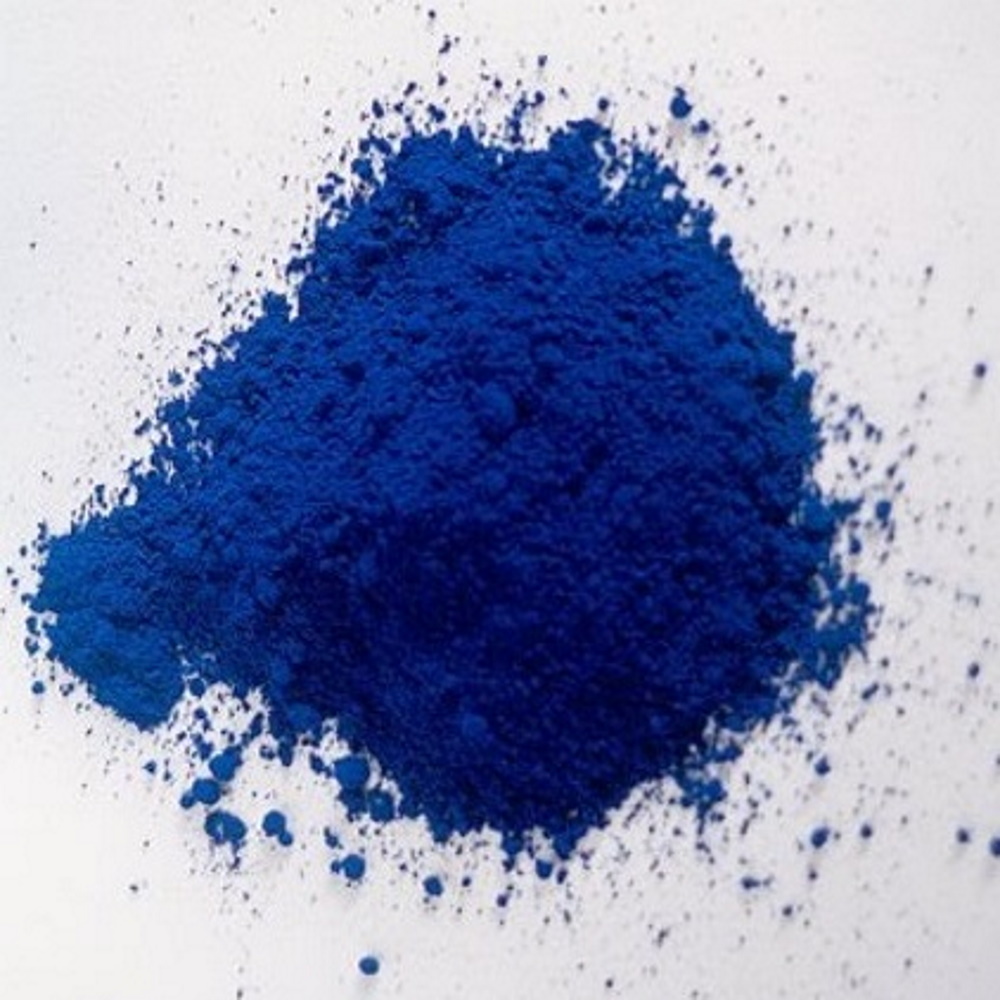
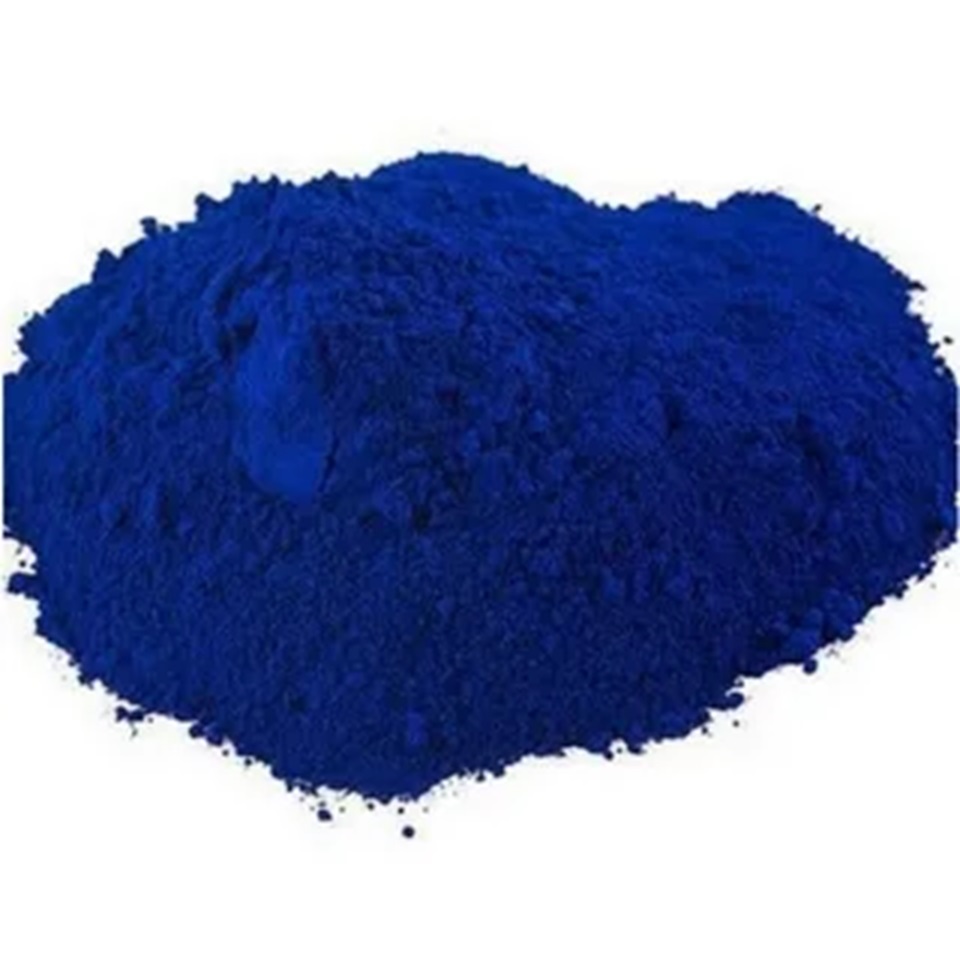
| Physical Form | Blue powder or liquid |
| Other Names | Brilliant Blue FCF, E133 Food Dye, C.I. 42090, FD&C Blue No. 1 (USA) |
What is it?
Brilliant Blue (E133) is a synthetic food colorant known by the code E133. It is used to provide a bright blue color in food, beverages, pharmaceuticals, and cosmetic products. Chemically, it belongs to the triphenylmethane dye class (also classified under azo compounds). It has high water solubility, making it an effective colorant in various formulations.
Note: In the United States, Brilliant Blue is known as FD&C Blue No. 1.
Physical and Chemical Properties
| Property | Description |
|---|---|
| Appearance | Blue powder or liquid (dark blue to violet-blue powder) |
| Solubility | Highly soluble in water (gives bright blue solution) |
| Stability at Room Temperature | Stable |
| Heat Stability | High (resistant to high temperatures) |
| pH Stability | Stable across a wide pH range |
| Light Fastness | Moderate to good |
Key Characteristics:
-
The compound has a stable structure at room temperature.
-
It is resistant to high temperatures, making it suitable for food processing and industrial applications.
-
It remains stable at different pH levels, increasing its usability in various chemical environments.
-
The color-giving property is determined by its chemical structure containing a double bond between two nitrogen atoms (azo linkage).
Applications and Usage Areas
Brilliant Blue (E133) is widely used across multiple industries:
1. Food Industry
| Product Category | Examples |
|---|---|
| Beverages | Carbonated soft drinks, sports drinks, energy drinks, fruit drinks |
| Confectionery | Candies, gummies, hard candies, chewing gum, jellies |
| Dairy & Desserts | Ice cream, sherbets, puddings, yogurts |
| Processed Foods | Canned fruits, jams, fillings, cake frostings, icings |
| Bakery Products | Cookies, cakes, pastries (colored decorations) |
The colorant enhances visual appeal, increases consumer interest, and provides attractive aesthetics on food packaging. However, its use is subject to regulations and limited dosages in some countries.
2. Pharmaceutical Industry
| Application | Examples |
|---|---|
| Tablets | Coated tablets, colored tablets |
| Capsules | Hard and soft gelatin capsules |
| Liquids | Syrups, oral solutions |
Brilliant Blue improves the recognizability of medications, helping users select the correct product. By improving the appearance of drugs, it may increase patient compliance with treatment.
3. Cosmetic and Personal Care Industry
| Product Category | Examples |
|---|---|
| Makeup Products | Eyeshadows, lipsticks, blushes, foundations |
| Hair Care | Shampoos, conditioners, hair dyes |
| Body Care | Body lotions, shower gels, soaps |
| Oral Care | Toothpastes, mouthwashes |
The compound is carefully formulated to provide effective color without causing harmful effects on the skin. It improves color retention in products, enhancing the user experience.
4. Industrial Applications
| Application | Examples |
|---|---|
| Plastics | Colored plastic products, toys |
| Packaging Materials | Colored films, containers, labels |
| Textiles (Limited) | Specialty dyeing applications |
Brilliant Blue is used in the production of colored materials to enhance visual appeal and ensure durability.
Safety and Potential Risks
| Risk | Description |
|---|---|
| Allergic Reactions | Some individuals may experience allergic reactions such as skin rashes, itching, or hives (urticaria). Those with aspirin sensitivity or asthma may be more susceptible. |
| Hyperactivity Concerns | Some research suggests that E133 (together with certain other artificial colors) may contribute to hyperactivity and attention deficit disorder (ADHD)-like behavioral problems in sensitive children. However, evidence is less strong compared to some other azo dyes. |
| Carcinogenicity Concerns | While some studies have raised concerns, regulatory authorities (EFSA, FDA) consider E133 safe within established daily intake limits. No conclusive evidence of carcinogenicity in humans at typical food levels exists. |
| Acceptable Daily Intake (ADI) | 0-6 mg/kg body weight/day (EFSA) |
Note: Brilliant Blue has a higher ADI (6 mg/kg) compared to E110 (4 mg/kg) and E124 (4 mg/kg), indicating a relatively wider safety margin.
Precautions
-
Safe Consumption Limits: Keep consumption within established safe limits.
-
ADI: 0-6 mg/kg body weight/day (EFSA)
-
-
Allergic Reaction Symptoms: Individuals showing signs of allergic reactions should avoid products containing E133 and consult a healthcare professional.
-
Label Reading Habit: Carefully read product labels.
-
May appear as: E133, Brilliant Blue, Brilliant Blue FCF, FD&C Blue No. 1, C.I. 42090, Food Blue 2
-
-
Sensitive Groups: Asthmatics, aspirin-sensitive individuals, and parents of children with behavioral concerns should exercise caution.
Legal Status and Labeling
| Region | Status | Note |
|---|---|---|
| European Union | Permitted | Warning label required (with E110, E104, E122, E124, E129) due to Southampton Study |
| Turkey | Permitted | Compliant with EU regulations; warning label required |
| United States (FDA) | Permitted | FD&C Blue No. 1; no warning label required |
| Japan | Permitted | |
| Australia/New Zealand | Permitted | |
| Canada | Permitted |
EU Warning Label: "May have an adverse effect on activity and attention in children."
Note: Unlike E124 (Ponceau 4R), E133 is permitted in the USA as FD&C Blue No. 1.
Brilliant Blue (E133) vs. Indigo Carmine (E132) – Comparison
| Feature | E133 (Brilliant Blue) | E132 (Indigo Carmine) |
|---|---|---|
| Color Shade | Bright blue (cyan tone) | Dark blue (violet tone) |
| Chemical Class | Triphenylmethane | Indigoid |
| Light Fastness | High | Low to moderate |
| pH Stability | Very stable (wide pH range) | pH sensitive (changes at pH >11) |
| Heat Stability | Very high | Moderate |
| ADI (EFSA) | 0-6 mg/kg | 0-5 mg/kg |
| USA Name | FD&C Blue No. 1 | FD&C Blue No. 2 |
| EU Warning Label | Yes (behavioral effects) | Yes (behavioral effects) |
| Common Use | Beverages, candy, pharmaceuticals | Confectionery, medical diagnostics |
E133 vs. Other Blue Food Dyes – Complete Comparison
| Feature | E133 (Brilliant Blue) | E132 (Indigo Carmine) | Spirulina (Natural) |
|---|---|---|---|
| Source | Synthetic (triphenylmethane) | Synthetic (indigoid) | Natural (algal) |
| Color Shade | Bright blue (cyan tone) | Dark blue (violet tone) | Blue-green |
| Light Fastness | High | Low–Moderate | Moderate–High |
| pH Sensitivity | Low (very stable) | High (changes above pH 11) | Moderate |
| Heat Stability | Very high | Moderate | Moderate |
| ADI (mg/kg) | 0-6 | 0-5 | Not limited (natural) |
| USA Status | Permitted (FD&C Blue No. 1) | Permitted (FD&C Blue No. 2) | Permitted |
| EU Warning Label | Yes | Yes | No |
| Cost | Low | Low | High |
| Vegan/Natural | No (synthetic) | No (synthetic) | Yes (natural) |
Sector Suitability Table
| Sector | Application Area | Suitability | Notes |
|---|---|---|---|
| Food | Beverages, confectionery, ice cream, bakery, processed foods | ✅ Widespread | Warning label required in EU; freely used in USA |
| Pharmaceuticals | Tablets, capsules, syrups | ✅ Widespread | Improves drug recognizability and compliance |
| Cosmetics | Makeup, hair care, body care, oral care | ✅ Widespread | Carefully formulated for skin safety |
| Industrial | Plastics, packaging materials | ✅ Moderate | Used for colored materials |
| Textiles | — | ❌ Low | Not commonly used in textile dyeing |
Summary
| Question | Answer |
|---|---|
| What is E133? | Brilliant Blue, a synthetic bright blue food colorant. |
| What is its chemical class? | Triphenylmethane dye (also classified as an azo compound). |
| Is it safe? | Considered safe by EFSA and FDA within established ADI limits (0-6 mg/kg). |
| Is it banned in the USA? | No, E133 is permitted in the USA as FD&C Blue No. 1. |
| How is it different from E132? | E133 is brighter, more stable to light and heat, and has a slightly higher ADI (6 vs. 5 mg/kg). |
| Who are sensitive groups? | Aspirin-sensitive individuals, asthmatics, children with ADHD (sensitive individuals). |
| What products contain it? | Soft drinks, candies, ice cream, tablets, cosmetics, shampoos. |
| Are there natural alternatives? | Yes: spirulina (blue-green algae) is a natural alternative. |
| How is it listed on labels? | E133, Brilliant Blue, Brilliant Blue FCF, FD&C Blue No. 1, C.I. 42090, Food Blue 2. |
Key Takeaway
Brilliant Blue (E133) is a widely used synthetic bright blue colorant permitted in both the EU and the USA (as FD&C Blue No. 1). It has high solubility, excellent heat and pH stability, and a relatively high ADI (0-6 mg/kg). While regulatory authorities consider it safe, it may cause allergic reactions in sensitive individuals and carries a hyperactivity warning label in the EU. It is used across food, pharmaceutical, cosmetic, and industrial sectors due to its versatility and stability.