We unleash your business potential by maximize the business innovation.
Send EmailPropylene Glycol, Monopropylene Glycol, Methylethylene Glycol, E1520, MPG, PG, 57-55-6, 4254-14-2, 4254-15-3
PROPYLENE GLYCOL (MONO PROPYLENE GLYCOL, MPG)
Propylene Glycol / Propan-1,2-diol / Mono Propylene Glycol / Methyl Ethylene Glycol / MPG / PG / E1520
CAS Number: 57-55-6 (also referenced as 4254-14-2, 4254-15-3 for enantiomeric forms)
EC Number: 200-338-0
E Number: E1520
SECTION 1: PRODUCT IDENTIFICATION AND CHEMICAL IDENTITY
| Parameter | Information |
|---|---|
| Product Name | Propylene Glycol (Mono Propylene Glycol, MPG) |
| IUPAC Name | Propan-1,2-diol |
| Other Names | 1,2-Propanediol, α-Propylene Glycol, Methyl Ethylene Glycol, 1,2-Dihydroxypropane, MPG |
| Food Additive Code | E1520 |
| CAS Number | 57-55-6 (4254-14-2, 4254-15-3 for enantiomeric forms) |
| EC Number (EINECS) | 200-338-0 |
| Molecular Formula | C₃H₈O₂ |
| Molecular Weight | 76.10 g/mol |
| Chemical Class | Diol (glycol) |
| Appearance | Clear, colorless, viscous, hygroscopic liquid |
| Odor | Practically odorless |
| Taste | Slightly sweet |
| Physical State (20°C) | Liquid |
| Purity (Standard Grades) | ≥ 99.5% (USP/EP, Food Grade); Industrial and Fiber grades also available |
Propylene Glycol is a clear, colorless, viscous, hygroscopic liquid with a slightly sweet taste. It is a synthetic organic compound belonging to the diol (glycol) family. It is produced primarily by the hydration of propylene oxide. It is widely used as a humectant, solvent, carrier, and cryoprotectant in food, pharmaceutical, cosmetic, and industrial applications. It is recognized as safe (GRAS) by the FDA and is approved as a food additive (E1520) in the EU.
SECTION 2: SYNONYMS AND OTHER NAMES
| Type | Name |
|---|---|
| Common Names | Propylene Glycol, Mono Propylene Glycol, MPG, PG |
| Chemical Names | 1,2-Propanediol, α-Propylene Glycol, Methyl Ethylene Glycol, 1,2-Dihydroxypropane |
| Food Additive Code | E1520 |
| CAS Number | 57-55-6 |
| EC Number | 200-338-0 |
| HS Code | 2905.32.00 |
| WGK Germany | 1 (low hazard to water) |
SECTION 3: CHEMICAL STRUCTURE
3.1. Molecular Structure
Propylene Glycol is a three-carbon diol with hydroxyl groups (-OH) on the first and second carbon atoms. It contains a chiral center at the second carbon, existing as two enantiomers (R and S forms).
Structural Formula:
        H
         |
   HO - C - H
         |
   HO - C - H
         |
        CH₃
Simplified Representation:
CH₃-CH(OH)-CH₂OH
3.2. Molecular Formula
C₃H₈O₂
3.3. Molecular Weight
76.10 g/mol
3.4. Key Structural Features
| Feature | Description |
|---|---|
| Functional Groups | Two hydroxyl groups (-OH) |
| Chiral Center | Carbon 2 (exists as R and S enantiomers) |
| Hydrogen Bonding | Strong (due to two hydroxyl groups) |
| Hygroscopicity | High (absorbs moisture from air) |
| Solubility | Miscible with water and many organic solvents |
SECTION 4: PHYSICAL AND CHEMICAL PROPERTIES
| Property | Value |
|---|---|
| Appearance | Clear, colorless, viscous liquid |
| Odor | Practically odorless |
| Taste | Slightly sweet |
| Molecular Formula | C₃H₈O₂ |
| Molecular Weight | 76.10 g/mol |
| Density (25°C) | ~1.036 g/cm³ |
| Melting Point | -59 °C |
| Boiling Point (760 mmHg) | 188 – 189 °C |
| Flash Point (Closed Cup) | 98 – 101 °C |
| Autoignition Temperature | ~371 °C |
| Explosion Limits (vol % in air) | 2.4 – 17.4 |
| Vapor Pressure (20°C) | ~0.08 mmHg |
| Viscosity (Dynamic, 20°C) | ~56 mPa·s |
| Refractive Index (n20/D) | ~1.432 |
| Dielectric Constant | ~32.0 (20°C) |
| pH (100 g/L aqueous solution, 20°C) | 6.0 – 8.0 |
| Water Solubility | Miscible in all proportions |
| Solubility in Ethanol | Miscible |
| Solubility in Acetone | Miscible |
| Solubility in Chloroform | Miscible |
| Solubility in Fixed Oils | Insoluble |
| Solubility in Volatile Oils | Miscible |
| Hygroscopicity | High (absorbs moisture from air) |
| Surface Tension (25°C) | 36.0 mN/m |
| Specific Heat (20°C) | 2.50 J/g·°C |
SECTION 5: SPECIFICATIONS (USP/EP, FOOD GRADE)
| Parameter | Specification | Unit | Test Method |
|---|---|---|---|
| Appearance | Clear, colorless, viscous liquid | - | Visual |
| Purity (GC) | ≥ 99.5 | % wt | GC |
| Water Content (Karl Fischer) | ≤ 0.2 | % wt | ASTM E203 |
| Color (APHA) | ≤ 10 | - | ASTM D1209 |
| Acidity (as Acetic Acid) | ≤ 0.005 | % wt | ASTM D1613 |
| Density (20°C) | 1.035 – 1.040 | g/cm³ | ASTM D4052 |
| Refractive Index (n20/D) | 1.431 – 1.433 | - | ASTM D1218 |
| Residue on Ignition | ≤ 0.02 | % wt | USP |
| Heavy Metals (as Pb) | ≤ 5 | ppm | USP |
| Arsenic (As) | ≤ 3 | ppm | USP |
| Ethylene Glycol | ≤ 0.1 | % wt | GC |
SECTION 6: SOLUBILITY PROFILE
| Solvent | Solubility | Conditions |
|---|---|---|
| Water | Miscible | All proportions |
| Ethanol | Miscible | All proportions |
| Acetone | Miscible | All proportions |
| Chloroform | Miscible | All proportions |
| Fixed Oils | Insoluble | 20°C |
| Volatile Oils | Miscible | 20°C |
| Toluene | Partially soluble | 20°C |
| Benzene | Partially soluble | 20°C |
SECTION 7: CHEMICAL PROPERTIES AND REACTIVITY
| Property | Description |
|---|---|
| Chemical Character | Weakly acidic (due to hydroxyl groups) |
| Stability | Stable under normal storage conditions |
| Hygroscopicity | Absorbs moisture from air; should be stored in sealed containers |
| Oxidation | Resistant to oxidation at room temperature; oxidizes slowly at high temperatures |
| Esterification | Forms esters with acids (used in polyester production) |
| Reaction with Isocyanates | Forms polyurethanes |
| Dehydration | Forms propylene oxide or dipropylene glycol at high temperatures |
| Incompatible Materials | Strong oxidizers, strong acids, strong bases |
SECTION 8: REACTION EQUATIONS
8.1. Esterification with Acids
PG + R-COOH → PG Ester + H₂O
8.2. Reaction with Isocyanates (Polyurethane Formation)
PG + 2 R-NCO → Polyurethane + CO₂
8.3. Dehydration (High Temperature)
2 PG → Dipropylene Glycol + H₂O
8.4. Oxidation (High Temperature)
PG + [O] → Lactic Acid → Pyruvic Acid (in the body)
SECTION 9: PRODUCTION METHOD
Propylene Glycol is produced primarily by the hydration of propylene oxide.
| Stage | Process | Description |
|---|---|---|
| 1 | Propylene Oxide Hydration | Propylene oxide is hydrated with water at high temperature (200-220°C) without a catalyst, or at lower temperature (150-180°C) with an ion-exchange resin catalyst. |
| 2 | Separation | The reaction mixture contains PG, dipropylene glycol, and higher glycols. |
| 3 | Distillation | PG is separated by fractional distillation. |
| 4 | Purification | The product is purified to meet USP/EP, food grade, or industrial grade specifications. |
| 5 | Stabilization | Antioxidants may be added to prevent degradation during storage. |
Alternative Production Method (Bio-Based): Glycerol (a by-product of biodiesel production) is hydrogenolyzed to produce bio-based propylene glycol. This product is chemically identical and is increasingly preferred in cosmetic and cleaning applications due to its sustainability profile.
SECTION 10: APPLICATIONS AND INDUSTRIAL USES
10.1. Food and Beverage Industry
| Application | Function | Typical Usage Rate |
|---|---|---|
| Bakery Products | Humectant | 0.1 – 5% |
| Confectionery | Humectant | 0.1 – 5% |
| Flavor Carrier | Solvent/carrier | 1 – 10% (in flavor concentrates) |
| Color Carrier | Solvent/carrier | 2 – 15% (in liquid color preparations) |
| Emulsion Aid | Emulsifier | 0.1 – 5% |
| Pet Food | Humectant | 0.1 – 5% |
| Frozen Desserts | Cryoprotectant | 1 – 5% |
Example Recipe – Lemon Flavor Emulsion Concentrate:
-
10% Propylene Glycol (solvent/carrier)
-
15% Lemon Essential Oil
-
10% Gum Arabic (emulsifier)
-
65% Water
Mix the flavor oil with propylene glycol. Add to gum arabic dissolved in water at high shear. Homogenize until stable emulsion is formed.
10.2. Pharmaceutical and Veterinary Industry
| Application | Function | Typical Usage Rate |
|---|---|---|
| Oral Solutions | Solvent/cosolvent | 10 – 50% v/v |
| Injectable Solutions | Solvent/cosolvent | 10 – 50% v/v |
| Topical Gels and Creams | Humectant/solvent | 5 – 20% w/w |
| Antiseptic Hydrogels | Humectant | 5 – 20% |
| Cryoprotectant | Cellular protection | 5 – 10% |
| Veterinary Ketosis Treatment | Oral drench | 300 – 400 mL/day per cow |
Example Recipe – Antiseptic Hydrogel:
-
20% Propylene Glycol (humectant/solvent)
-
1% Hydroxyethyl Cellulose (gelling agent)
-
0.05% Chlorhexidine Digluconate
-
Q.S. Water
Disperse hydroxyethyl cellulose in water. Dissolve chlorhexidine in PG and incorporate into the gel with mixing.
10.3. Cosmetics and Personal Care
| Application | Function | Typical Usage Rate |
|---|---|---|
| Moisturizing Creams/Lotions | Humectant | 1 – 5% |
| Shampoos and Conditioners | Humectant | 1 – 3% |
| Shower Gels | Humectant | 1 – 3% |
| Makeup Products | Solvent/humectant | 1 – 10% |
| Baby Wipes | Humectant | 1 – 10% |
| Toothpaste | Humectant | 5 – 15% |
| Facial Masks | Humectant | 1 – 5% |
Example Recipe – Light Moisturizing Lotion:
-
4% Propylene Glycol
-
2% Glycerin
-
5% Caprylic/Capric Triglyceride
-
2% Cetyl Alcohol
-
0.5% Carbomer
-
Q.S. Water
Neutralize carbomer to pH ~6 with triethanolamine. Add PG and glycerin to the water phase for enhanced skin moisturization.
10.4. Industrial Antifreeze and Heat Transfer Fluids
| Application | Function | Typical Usage Rate |
|---|---|---|
| Industrial Chillers | Freeze protection | 30 – 50% v/v (to -15°C to -35°C) |
| Closed-Loop Cooling Systems | Freeze protection | 30 – 50% v/v |
| Heat Pumps | Freeze protection | 30 – 50% v/v |
| Aircraft De-icing (Type I) | Anti-icing | >50% PG |
| Food Processing Coolants | Freeze protection | 30 – 50% v/v |
Freeze Protection Table:
| PG Concentration (v/v) | Freeze Point |
|---|---|
| 30% | ~ -13°C |
| 40% | ~ -22°C |
| 50% | ~ -33°C |
Example Recipe – Food-Grade Cooling Fluid Concentrate:
-
90% Propylene Glycol
-
3% Water
-
7% Food-Compatible Corrosion Inhibitor Package (phosphates, azoles)
Dilute with deionized water to 35-40% solution on-site for use in brewery fermenter jacket cooling.
10.5. Polymer and Resin Production
| Application | Function | Typical Usage Rate |
|---|---|---|
| Unsaturated Polyester Resins (UPR) | Diol monomer | 30 – 70% of glycol component |
| Alkyd Resins | Diol monomer | 30 – 70% of glycol component |
| Polyurethane Polyols | Diol monomer | 30 – 70% of glycol component |
Example Recipe – General Purpose UPR:
-
1.0 mol Phthalic Anhydride
-
1.0 mol Maleic Anhydride
-
2.2 mol Propylene Glycol
Esterify at 180-220°C until acid value reaches 20-30 mg KOH/g. Cool and dissolve in styrene (30-35% w/w) to obtain the final liquid resin.
10.6. Fog and Smoke Fluids
| Application | Function | Typical Usage Rate |
|---|---|---|
| Theatrical Fog Machines | Primary component | 20 – 35% |
| Fire Training Smoke | Primary component | 20 – 35% |
Example Recipe – Standard Fog Fluid:
-
25% Propylene Glycol
-
75% Deionized Water
Mix until homogeneous, filter before use. For denser and longer-lasting fog, increase PG ratio.
10.7. Other Applications
| Application | Function |
|---|---|
| Tobacco | Humectant (prevents drying, keeps cut tobacco pliable) |
| Printing Inks | Solvent and wetting agent in water-based flexo and gravure inks |
| Non-Ionic Detergents | Intermediate for non-ionic surfactant production |
| Ultrasound Gel | Humectant and binding agent |
| Electronic Cigarettes (Vaping Liquids) | Carrier for flavor and nicotine; produces visible vapor |
SECTION 11: ALTERNATIVES AND COMPARISON
11.1. Glycerol / Glycerin (E422)
| Property | Glycerol | Propylene Glycol |
|---|---|---|
| Pros | More "natural" perception; higher humectant capacity; sweeter; non-volatile | Lower viscosity; faster absorption; better solvency for aromatics |
| Cons | Significantly more viscous; lower solvent power; tacky feel at high concentrations | Lower "natural" perception |
| Selection | Preferred in "natural" formulations | Preferred when low viscosity, rapid absorption, and good solvency are required |
11.2. Ethylene Glycol (MEG)
| Property | Ethylene Glycol | Propylene Glycol |
|---|---|---|
| Pros | Lower cost; lower viscosity; slightly better heat transfer | Non-toxic; safe for human/animal contact |
| Cons | Toxic (metabolized to glycolic and oxalic acids) | Higher cost |
| Selection | Used in automotive antifreeze | Used wherever human/animal contact is possible (food, pharma, HVAC near living spaces) |
11.3. Dipropylene Glycol (DPG)
| Property | Dipropylene Glycol | Propylene Glycol |
|---|---|---|
| Pros | Higher boiling point (~230°C); lower vapor pressure; less hygroscopic | More universal humectant and solvent |
| Cons | Higher molecular weight (134.17 g/mol); more expensive | Lower molecular weight; more hygroscopic |
| Selection | Preferred in fine perfumes and color cosmetics where lower volatility is desired | Preferred as a general-purpose humectant and solvent |
11.4. 1,3-Propanediol (Bio-PDO)
| Property | 1,3-Propanediol | Propylene Glycol |
|---|---|---|
| Pros | Fully bio-based (from corn sugar fermentation); strong "natural" marketing advantage | Lower cost; more widely available |
| Cons | More expensive; limited availability in some regions | Petrochemical-derived (unless bio-based PG is used) |
| Selection | Preferred when natural sourcing claims and sustainability are critical | Preferred when cost-effectiveness is prioritized |
11.5. Butylene Glycol (1,3-Butylene Glycol)
| Property | Butylene Glycol | Propylene Glycol |
|---|---|---|
| Pros | Better skin feel; less irritating; mild antimicrobial effect | Lower cost; more versatile |
| Cons | More expensive; limited availability | Slightly higher irritation potential at very high concentrations |
| Selection | Preferred in luxury cosmetics | Preferred in cost-effective, high-volume formulations |
SECTION 12: TOXICOLOGY AND SAFETY
12.1. Acute Toxicity
| Parameter | Value |
|---|---|
| Acute Oral Toxicity (LD50, Rat) | ~ 20,000 – 25,000 mg/kg (very low toxicity) |
| Acute Dermal Toxicity (LD50, Rabbit) | > 20,000 mg/kg |
| Acute Inhalation Toxicity | Low risk (low vapor pressure) |
| Eye Irritation | Mild irritant |
| Skin Irritation | Mild irritant; non-sensitizing |
| Metabolism | Metabolized to lactic acid and pyruvic acid (normal metabolic pathways) |
12.2. Regulatory Status
| Parameter | Information |
|---|---|
| FDA | GRAS (Generally Recognized as Safe) |
| EFSA | Acceptable Daily Intake (ADI): 25 mg/kg body weight/day |
| EU Food Additive | E1520 |
| Pharmaceutical | USP/EP monograph |
| Cosmetics | Approved for use in cosmetics |
| WHO | Acceptable as a food additive |
12.3. GRAS Status
Propylene Glycol is recognized as Generally Recognized as Safe (GRAS) by the FDA for use in food, pharmaceuticals, and cosmetics. The EFSA has established an ADI of 25 mg/kg body weight/day.
SECTION 13: GHS CLASSIFICATION
| Hazard Class | Category | H-Statement |
|---|---|---|
| Not classified as hazardous | - | - |
Signal Word: None (not classified as hazardous)
Hazard Pictograms: None
Hazard Statements (H-Codes): None
Safety Phrases (Historically):
| Code | Statement |
|---|---|
| S24/25 | Avoid contact with skin and eyes. |
| S26 | In case of contact with eyes, rinse immediately with plenty of water and seek medical advice. |
SECTION 14: PRECAUTIONARY STATEMENTS (P-CODES)
| Code | Statement |
|---|---|
| P264 | Wash hands thoroughly after handling. |
| P280 | Wear protective gloves/protective clothing/eye protection/face protection. |
| P302+P352 | IF ON SKIN: Wash with plenty of soap and water. |
| P305+P351+P338 | IF IN EYES: Rinse cautiously with water for several minutes. Remove contact lenses if present. |
| P337+P313 | If eye irritation persists: Get medical advice/attention. |
| P501 | Dispose of contents/container in accordance with local regulations. |
SECTION 15: FIRST AID MEASURES
| Route of Exposure | Action to Be Taken |
|---|---|
| Inhalation | Move to fresh air. If breathing difficulty occurs, seek medical attention. |
| Skin Contact | Wash with plenty of soap and water. Remove contaminated clothing. |
| Eye Contact | Rinse thoroughly with plenty of water for at least 15 minutes. Remove contact lenses. If irritation persists, seek medical attention. |
| Ingestion | Rinse mouth. Drink water. Do not induce vomiting. Seek medical attention if large amount is swallowed. |
SECTION 16: FIRE-FIGHTING MEASURES
| Parameter | Information |
|---|---|
| Fire Hazard | Combustible liquid (Flash point ~100°C) |
| Suitable Extinguishing Media | Water spray, CO₂, dry chemical powder, alcohol-resistant foam |
| Special Hazards | Thermal decomposition produces toxic gases (CO, CO₂) |
| Protective Equipment | Self-contained breathing apparatus (SCBA), full protective clothing |
| Special Precautions | Cool containers with water spray. Ground tanks and containers during transfer. |
SECTION 17: ACCIDENTAL RELEASE MEASURES
| Parameter | Information |
|---|---|
| Personal Protection | Protective goggles, chemical-resistant gloves, coverall |
| Ventilation | Increase ventilation; use local exhaust in confined spaces |
| Containment | Absorb with inert material (sand, vermiculite) |
| Cleaning Methods | Collect with absorbent material. Avoid washing with water (spread). |
| Environmental Precautions | Prevent entry into drains, sewers, and water bodies |
| Waste Disposal | Dispose of in accordance with local regulations |
SECTION 18: STORAGE AND SHELF LIFE
| Parameter | Information |
|---|---|
| Storage Conditions | Store in a cool, dry, well-ventilated area. Protect from moisture. |
| Temperature | Recommended: Ambient (15-40°C). Avoid freezing (melting point -59°C). |
| Container Requirements | Sealed, moisture-proof containers. Use stainless steel, aluminum, or HDPE/PP containers. |
| Materials to Avoid | Strong oxidizers, strong acids, strong bases. |
| Material Compatibility | Stainless Steel (304, 316), Aluminum, HDPE, PP. Avoid: Carbon steel (for long-term storage due to slight acidity). |
| Shelf Life | 24 months (in unopened original packaging under proper storage) |
| Stability Note | Hygroscopic; absorbs moisture from air. Store in sealed containers. |
SECTION 19: PACKAGING OPTIONS
| Packaging Type | Quantity | Material |
|---|---|---|
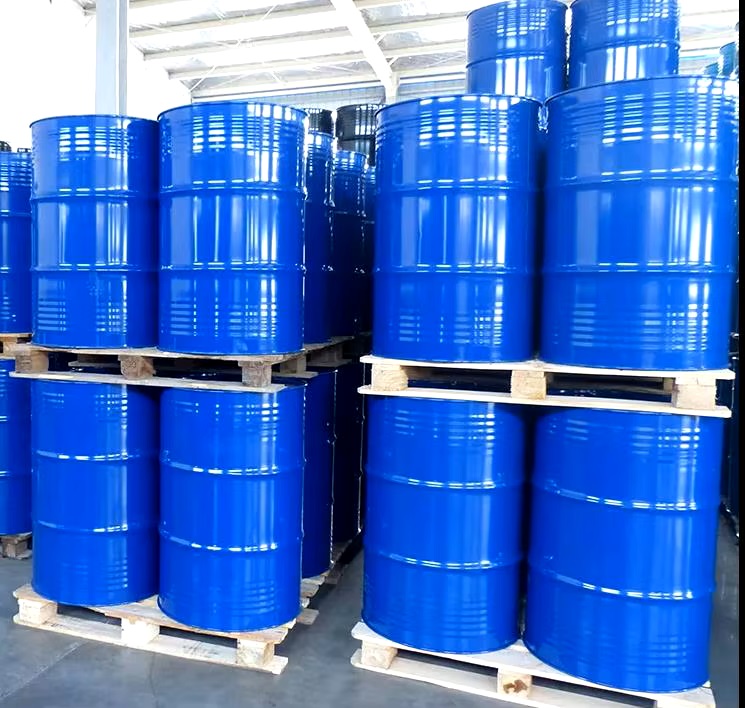
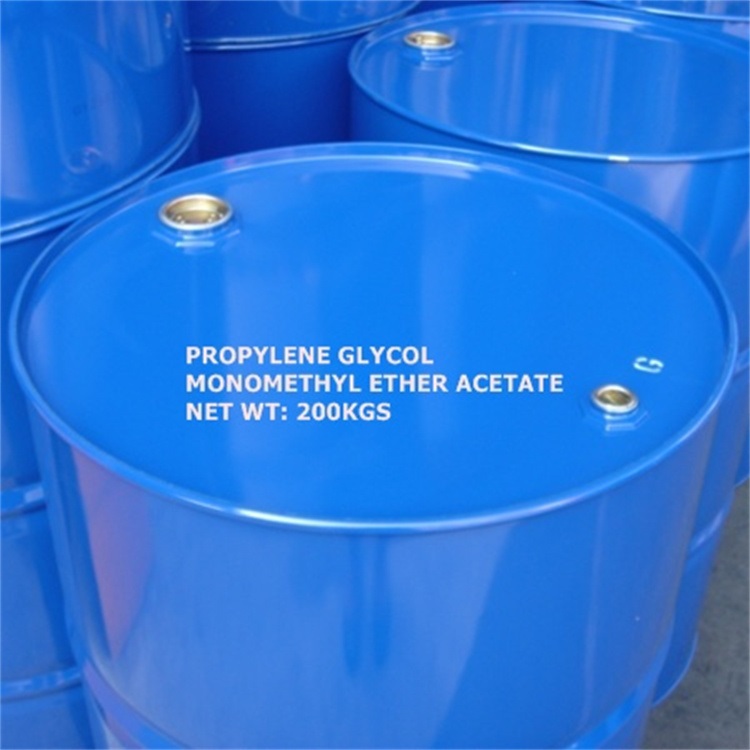
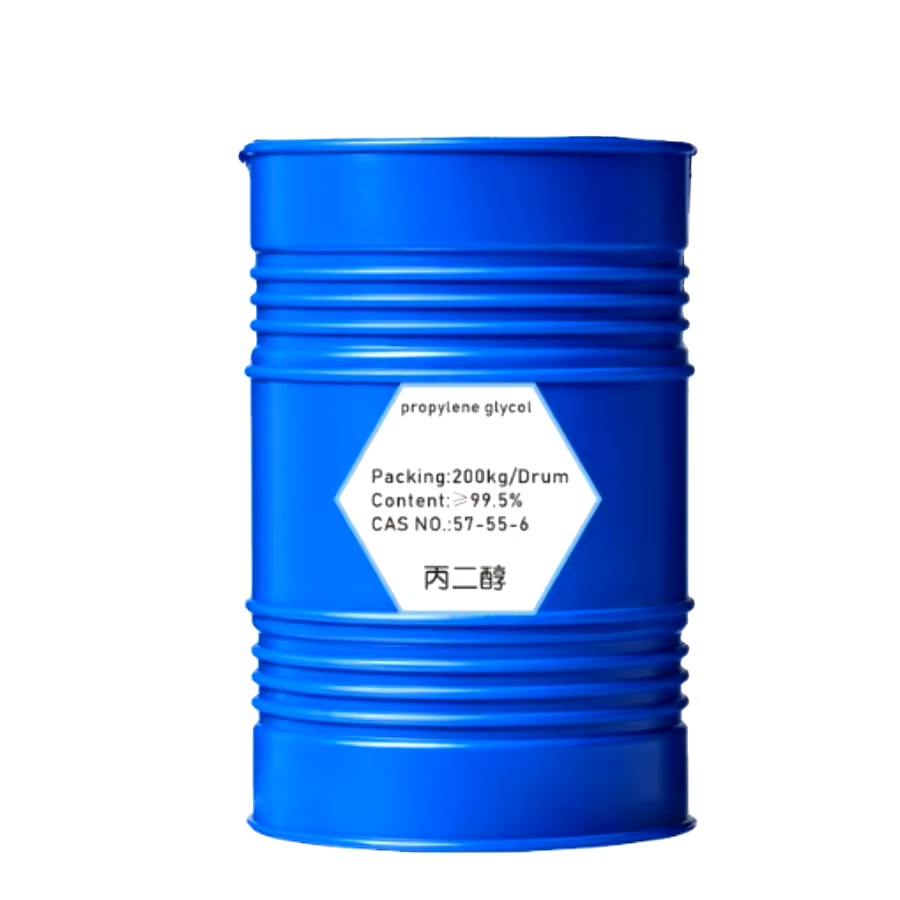
| Steel Drum | 200 L | Stainless steel / Carbon steel (lined) |
| IBC Tank | 1000 L | Stainless steel / HDPE |
| Bulk Tanker | 20 – 30 tons | Stainless steel |
| Small Containers | 1 L, 5 L, 25 L | HDPE / Aluminum |
SECTION 20: TRANSPORT INFORMATION
| Parameter | Information |
|---|---|
| UN Number | Not applicable (not classified as dangerous goods) |
| Hazard Class | Not classified as hazardous for transport |
| Packing Group | Not applicable |
| ADR/RID | Not regulated |
| IMDG Code | Not regulated |
| IATA (Air) | Not regulated |
| Marine Pollutant | No |
| Transport Temperature | Ambient temperature; protect from moisture. |
SECTION 21: ENVIRONMENTAL INFORMATION
| Parameter | Information |
|---|---|
| Aquatic Toxicity | Low toxicity to aquatic organisms |
| Biodegradability | Readily biodegradable |
| Bioaccumulation | Low potential (Log P ~ -1.0) |
| Mobility in Soil | High (miscible with water) |
| Vapor Behavior | Low vapor pressure; does not readily evaporate |
| WGK Germany | 1 (low hazard to water) |
| Waste Disposal | Incineration or disposal in accordance with local regulations |
SECTION 22: REGULATORY INFORMATION
| Region / Authority | Status |
|---|---|
| European Union (REACH) | Registered; approved as food additive E1520 |
| USA (FDA) | GRAS (21 CFR 184.1666) |
| Turkey | Approved as food additive and pharmaceutical excipient |
| EFSA | ADI: 25 mg/kg body weight/day |
| WHO | Acceptable as a food additive |
| USP | Monographed for pharmaceutical use |
| Ph. Eur. | Monographed for pharmaceutical use |
SECTION 23: FREQUENTLY ASKED QUESTIONS (FAQ)
Q1: Is propylene glycol safe for human consumption?
A: Yes. It is classified as GRAS (Generally Recognized as Safe) by the FDA. The EFSA has established an Acceptable Daily Intake (ADI) of 25 mg/kg body weight/day. It is metabolized through normal metabolic pathways to lactic acid and pyruvic acid.
Q2: What is the main difference between propylene glycol and ethylene glycol?
A: Toxicity. Ethylene glycol is highly toxic when ingested and can cause severe kidney damage. Propylene glycol is much less toxic and is recommended for applications where accidental ingestion or environmental release is possible (food processing coolants, RV antifreeze, animal-friendly de-icers).
Q3: Is propylene glycol suitable for vegan, halal, or kosher products?
A: Yes. Standard propylene glycol is synthetic (from propylene oxide hydration) and contains no animal-derived ingredients. Bio-based PG (from glycerol) is plant-derived. Certifications are available from manufacturers upon request.
Q4: What is the shelf life of propylene glycol?
A: At least 24 months from the date of manufacture when stored in tightly closed original packaging, in a cool, dry place, away from direct sunlight. After opening, keep tightly closed to prevent moisture absorption.
Q5: How should propylene glycol be transported and stored?
A: Store at ambient temperature (<40°C) in stainless steel, aluminum, or suitable plastic (HDPE, PP) containers. Carbon steel is not recommended for long-term storage due to slight acidity. Keep away from open flames (flammable liquid, flash point ~100°C). In case of spillage, absorb with inert material (sand, vermiculite) and dispose of according to local regulations. Prevent entry into sewers and watercourses.
Q6: Is propylene glycol flammable?
A: It is classified as a combustible liquid, not highly flammable. The flash point is approximately 100°C, so it does not readily ignite at room temperature. However, vapors can ignite if heated above the flash point in the presence of an ignition source. Ground tanks and containers during transfer.
Q7: Why is propylene glycol used in e-cigarette (vaping) liquids?
A: It serves as a carrier for flavor and nicotine, produces visible vapor, and provides a "throat hit" sensation. While PG is considered safe as a theatrical fog additive, the long-term effects of deep lung inhalation in e-cigarettes are still being researched.
Q8: Can propylene glycol cause skin irritation or allergic reactions?
A: True allergy (contact dermatitis) is rare but has been reported. It is generally considered a mild irritant at very high concentrations, so cosmetic formulators typically use it in the 1-10% range. Patch testing may detect sensitivity in a very small percentage of individuals.
Q9: What is the difference between mono propylene glycol (MPG) and dipropylene glycol (DPG)?
A: MPG is a single, defined molecule (propan-1,2-diol) with a molecular weight of 76.10 g/mol. DPG is a mixture of isomers (mostly 1,1'-oxybis-2-propanol, etc.) with a higher molecular weight (~134.17 g/mol). This gives DPG a higher boiling point, lower volatility, and different solvency properties. They are not directly interchangeable.
Q10: How is propylene glycol produced?
A: The main industrial method is the high-temperature hydrolysis of propylene oxide (200-220°C without catalyst, or 150-180°C with an ion-exchange resin catalyst). The bio-based route involves hydrogenolysis of glycerol (a biodiesel by-product). Bio-based PG is chemically identical and is increasingly preferred in cosmetics and cleaning products due to its sustainability profile.
SECTION 24: QUICK REFERENCE TABLE
| Property | Value |
|---|---|
| CAS Number | 57-55-6 |
| EC Number | 200-338-0 |
| E Number | E1520 |
| Molecular Formula | C₃H₈O₂ |
| Molecular Weight | 76.10 g/mol |
| Appearance | Clear, colorless liquid |
| Odor | Practically odorless |
| Taste | Slightly sweet |
| Density (25°C) | ~1.036 g/cm³ |
| Melting Point | -59 °C |
| Boiling Point | 188 – 189 °C |
| Flash Point | 98 – 101 °C |
| Viscosity (20°C) | ~56 mPa·s |
| Water Solubility | Miscible |
| Primary Uses | Humectant, solvent, carrier, antifreeze, resin intermediate |
| Shelf Life | 24 months |
| UN Number | Not applicable |
| WGK Germany | 1 |
SECTION 25: CRITICAL NOTICES AND BEST PRACTICES
CRITICAL NOTICES:
-
Toxicity Distinction: Propylene glycol is much less toxic than ethylene glycol. It is approved for food, pharmaceutical, and cosmetic use. Never confuse PG with ethylene glycol (MEG).
-
Hygroscopic Nature: PG is highly hygroscopic and absorbs moisture from the air. Store in sealed containers to maintain purity and prevent dilution.
-
Food Grade vs. Industrial Grade: Only USP/EP or food-grade PG should be used in food, pharmaceutical, and cosmetic applications. Industrial grades may contain impurities and are not suitable for human contact.
-
Flammability: PG is combustible (flash point ~100°C). It is not highly flammable at room temperature but vapors can ignite above the flash point. Ground tanks and containers during transfer.
-
Incompatibility: PG is incompatible with strong oxidizers, strong acids, and strong bases. Reaction with these materials may cause fire, explosion, or toxic gas release.
-
Bio-Based Alternatives: Bio-based PG (from glycerol) is chemically identical to petrochemical PG and is increasingly preferred for sustainability claims.
-
Vaping Use: While PG is considered safe as a theatrical fog additive, the long-term effects of deep lung inhalation in e-cigarettes are still being researched.
-
Allergic Reactions: True allergy (contact dermatitis) is rare but has been reported. Cosmetic formulators typically use it in the 1-10% range to minimize irritation risk.
BEST PRACTICE RECOMMENDATIONS:
-
Storage: Store in a cool, dry, well-ventilated area. Maintain ambient temperature (15-40°C). Use stainless steel, aluminum, or HDPE/PP containers. Avoid carbon steel for long-term storage.
-
Handling: Use chemical-resistant gloves, protective goggles, and appropriate clothing. Avoid prolonged skin contact.
-
Transfer: Use sealed transfer systems. Ground all equipment during transfer. Avoid compressed air for transfer.
-
Labeling: Clearly label all containers. Distinguish from ethylene glycol and other glycols.
-
Quality Control: For food/pharmaceutical applications, ensure product meets USP/EP or food-grade specifications. Test for purity, water content, and heavy metals.
-
Waste Management: Dispose of PG and contaminated materials in accordance with local regulations. Do not pour down drains.
LEGAL DISCLAIMER:
This Technical Data Sheet (TDS) is for informational purposes only and is prepared based on available technical data. The user is solely responsible for determining the suitability of the product for their specific application and for complying with all local, national, and international regulations. For complete safety, storage, handling, transport, waste, and regulatory compliance information, the official Safety Data Sheet (SDS/MSDS) provided by the manufacturer/supplier must be consulted. Propylene glycol is a combustible liquid and should be handled with appropriate precautions. This document does not substitute professional or medical advice.