We unleash your business potential by maximize the business innovation.
Send EmailFructose, D-Fructose, Fruit Sugar, Levulose, Krystar, Levulose, Levilose, Furucton, Krystar, 57-48-7
Fructose (Fruit Sugar)
CAS Number: 57-48-7
Chemical Formula: C₆H₁₂O₆
Molecular Weight: 180.16 g/mol
EC Number: 200-333-3
Synonyms: D-Fructose, D-(-)-Fructose, D-arabino-2-Hexulose, Levulose, D-(-)-Levulose, Fruit Sugar, Meyve Şekeri, Levilose, Levulose, Furucton, Krystar, Krystar 300, Nevulose, Advantose FS 95, Hi-Fructo 970, Hi-Fructo M 75, Hi-Fructo F, NF 55, HFD 95, FF 95, FF 100
1. CHEMICAL IDENTITY
| Parameter | Information |
|---|---|
| Product Name | Fructose |
| IUPAC Name | D-arabino-hex-2-ulose |
| CAS Number | 57-48-7 |
| Molecular Formula | C₆H₁₂O₆ |
| Molecular Weight | 180.16 g/mol |
| EC Number | 200-333-3 |
| Chemical Class | Monosaccharide, Ketohexose |
| Isomer | D-isomer (naturally occurring) |
| Common Name | Fruit Sugar, Levulose |
2. PHYSICAL PROPERTIES
| Parameter | Value |
|---|---|
| Physical State | Solid |
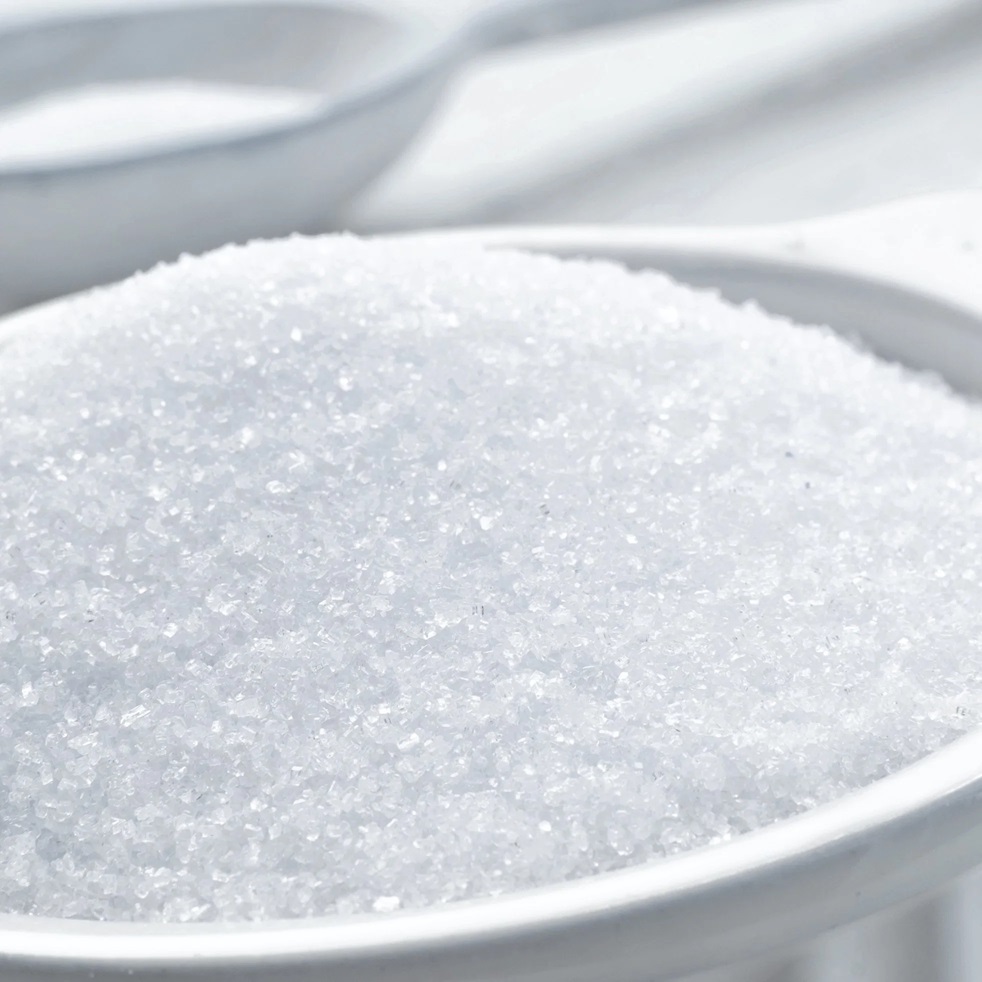
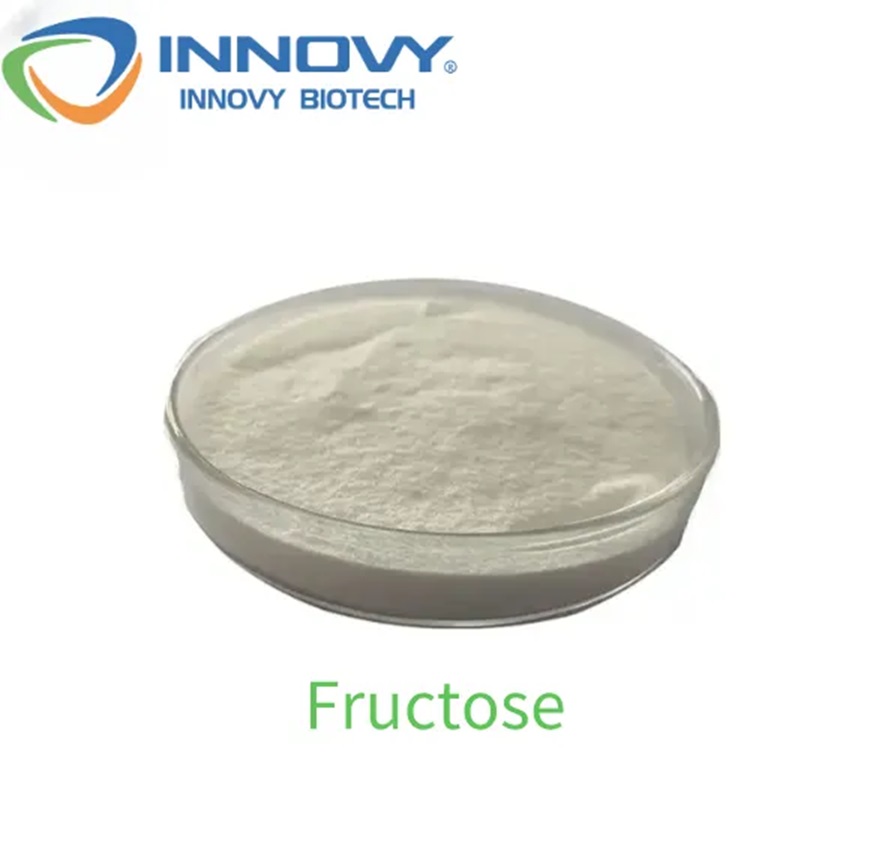
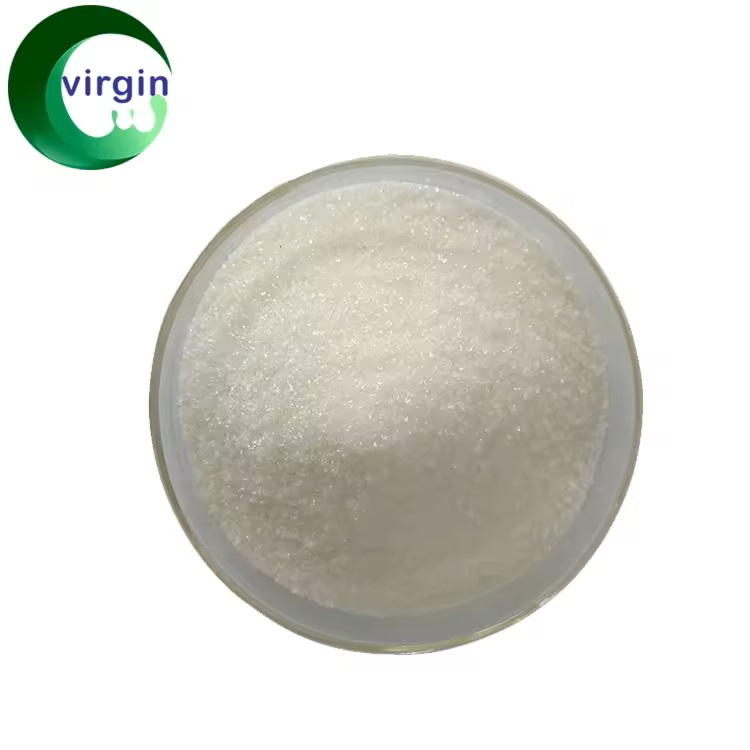
| Color | White to off-white |
| Appearance | Crystalline powder or fine crystals |
| Odor | Odorless |
| Taste | Sweet |
| Density (20°C) | 1.59 g/cm³ |
| Melting Point | 103 - 105 °C (decomposes) |
| Specific Rotation [α]²⁰D | -92° to -93.5° (20% w/v in water) |
| Refractive Index (20°C, 20% solution) | 1.476 - 1.480 |
3. SOLUBILITY PROPERTIES
| Solvent | Solubility (20°C) |
|---|---|
| Water | Very high solubility (~790 g/L) |
| Ethanol | Slightly soluble |
| Methanol | Slightly soluble |
| Acetone | Very slightly soluble |
| Diethyl Ether | Insoluble |
Note: Fructose has the highest water solubility among all natural sugars. This high solubility makes crystallization from aqueous solutions difficult.
4. SWEETNESS COMPARISON
| Sweetener | Relative Sweetness (Sucrose = 1.0) | Note |
|---|---|---|
| Sucrose (Table Sugar) | 1.00 | Reference |
| Fructose (6-membered pyranose form) | ~1.00 | Heat-treated form |
| Fructose (5-membered furanose form) | 1.73 | Naturally occurring form |
| Glucose (Dextrose) | 0.74 | - |
| Lactose | 0.16 | - |
Key Points:
-
Fructose is the sweetest of all natural carbohydrates
-
Sweetness is perceived faster than sucrose but fades more quickly
-
The 5-membered ring form (furanose) is significantly sweeter than the 6-membered ring form (pyranose)
-
Heating converts the sweeter 5-membered form to the less sweet 6-membered form
5. THERMODYNAMIC AND THERMAL PROPERTIES
| Parameter | Value |
|---|---|
| Melting Point | 103 - 105 °C (decomposes) |
| Glass Transition Temperature (Tg) | ~10°C |
| Heat of Solution | ~36.5 kJ/mol (endothermic) |
| Specific Heat Capacity (25°C) | 1.26 J/g·K |
| Decomposition Temperature | >105°C |
| Hygroscopicity | Very high (higher than other sugars) |
Note: Fructose is highly hygroscopic. It absorbs moisture from the environment faster than other sugars but releases it more slowly.
6. CHEMICAL STRUCTURE AND PROPERTIES
| Parameter | Description |
|---|---|
| Carbon Count | 6-carbon (hexose) |
| Functional Group | Ketone (ketohexose) |
| Isomeric Form | D-isomer (naturally occurring) |
| Ring Forms | Furanose (5-membered) and pyranose (6-membered) |
| Solution Equilibrium (20°C) | ~70% pyranose, ~22% furanose, ~8% open chain + other forms |
| Optical Activity | Levorotatory (turns plane-polarized light to the left) |
Key Structural Features:
-
Isomer of glucose (same molecular formula, different arrangement)
-
Contains a ketone group rather than an aldehyde group (unlike glucose)
-
Exists in multiple tautomeric forms in solution
-
The pyranose form is more stable at higher temperatures
7. CHEMICAL REACTIVITY
| Parameter | Information |
|---|---|
| pH Stability | Stable across a wide pH range (2-12) |
| Reactivity with Acids | Relatively stable (unlike sucrose which hydrolyzes) |
| Reactivity with Bases | May undergo isomerization and degradation at high pH |
| Maillard Reaction | Participates readily with amino acids (browning reaction) |
| Caramelization Temperature | ~110°C |
| Oxidation | Can be oxidized by strong oxidizing agents |
| Reducing Sugar | Yes (can reduce Benedict's and Fehling's solutions) |
8. NUTRITIONAL AND METABOLIC PROPERTIES
| Parameter | Value |
|---|---|
| Caloric Value | 4 kcal/g (17 kJ/g) |
| Glycemic Index (GI) | 19 - 23 (low) |
| Insulin Response | Low (does not significantly stimulate insulin secretion) |
| Hepatic Metabolism | Primarily metabolized in the liver |
| Metabolic Pathway | Fructose → Fructose-1-phosphate → Glyceraldehyde + DHAP → Hepatic lipogenesis |
| Renal Reabsorption | Partial (excess excreted in urine - fructosuria) |
Note: Unlike glucose, fructose does not trigger significant insulin release and has a low glycemic index. However, excessive consumption can lead to increased hepatic lipogenesis (fat production in the liver).
9. FUNCTIONAL PROPERTIES IN FOOD SYSTEMS
| Property | Description |
|---|---|
| Sweetness Synergy | Exhibits synergistic sweetness when combined with sucrose, aspartame, or saccharin |
| Humectancy | High moisture retention; keeps baked goods soft and extends shelf life |
| Freezing Point Depression | Greater effect than sucrose (important for frozen desserts) |
| Viscosity Enhancement | Increases starch viscosity more than sucrose |
| Freeze-Thaw Stability | Protects cell wall integrity in frozen fruits |
| Flavor Enhancement | Enhances fruit and berry flavors |
| Browning | Participates readily in Maillard browning reactions |
10. PRODUCTION AND SOURCES
| Parameter | Information |
|---|---|
| Natural Sources | Fruits, honey, berries, melons, watermelon, some root vegetables |
| Annual Natural Production | Estimated 240,000 tons (via autotrophic organisms) |
| Commercial Production | From sucrose (hydrolysis and isomerization) or corn starch (HFCS) |
| Crystalline Fructose | Produced from fructose-enriched corn syrup |
| HFCS (High Fructose Corn Syrup) | Mixture of glucose and fructose (not pure fructose) |
| Common Commercial Forms | Crystalline powder, liquid syrup (42%, 55%, 90% fructose) |
Important Distinction: Crystalline fructose (pure monosaccharide) is different from High Fructose Corn Syrup (mixture of glucose and fructose).
11. TYPICAL SPECIFICATIONS
| Parameter | Specification | Method |
|---|---|---|
| Purity (as Fructose, dry basis) | 98.0 - 102.0% | HPLC |
| Moisture Content | Max. 0.5% | Karl Fischer |
| Ash (Sulfated) | Max. 0.1% | Gravimetric |
| pH (10% solution) | 4.0 - 7.0 | Potentiometric |
| Specific Rotation [α]²⁰D | -92.0° to -93.5° | Polarimeter |
| Color (ICUMSA) | Max. 45 | Spectrophotometric |
| Heavy Metals (as Pb) | Max. 5 ppm | AAS/ICP |
| Arsenic (As) | Max. 1 ppm | AAS |
| Lead (Pb) | Max. 0.5 ppm | AAS |
| Chlorides (as Cl) | Max. 0.01% | Titration |
| Sulfates (as SO₄) | Max. 0.01% | Turbidimetric |
| Hydroxymethylfurfural (HMF) | Max. 10 ppm | HPLC/UV |
12. APPLICATIONS - FOOD INDUSTRY
| Product Category | Function | Typical Use Level |
|---|---|---|
| Beverages (Soft Drinks, Juices) | Sweetener, flavor enhancer | 5-15% |
| Baked Goods (Cakes, Cookies, Muffins) | Humectant, browning, texture | 5-20% |
| Confections (Candies, Chocolates) | Sweetness, softness control | 10-30% |
| Dairy Products (Yogurt, Ice Cream) | Sweetener, freezing point depression | 4-8% |
| Breakfast Cereals | Coating, sweetness | 10-25% |
| Jams and Preserves | Sweetener, humectant | 20-40% |
| Sports Nutrition Products | Low GI sweetener | 5-15% |
| Diabetic Products | Low insulin response sweetener | 5-20% |
| Dried Fruits | Humectant, preservative | Coating |
| Sauces and Dressings | Sweetener, texture | 5-20% |
13. APPLICATIONS - OTHER INDUSTRIES
| Industry | Application |
|---|---|
| Pharmaceutical | Excipient in tablets and syrups; sweetening agent |
| Cosmetics | Humectant in creams, lotions, and skin care products |
| Nutritional Supplements | Low glycemic index carbohydrate source |
| Fermentation | Substrate for microbial production (ethanol, organic acids) |
| Tobacco | Humectant in tobacco products |
14. COMPARISON WITH OTHER SUGARS
| Property | Fructose | Sucrose | Glucose | HFCS 55 |
|---|---|---|---|---|
| Caloric Value (kcal/g) | 4 | 4 | 4 | 4 |
| Relative Sweetness | 1.73 | 1.00 | 0.74 | 1.00 |
| Glycemic Index | 19-23 | 65 | 100 | 58-68 |
| Insulin Response | Very Low | Moderate | High | Moderate |
| Solubility (g/L, 20°C) | 790 | 670 | 470 | Highly soluble |
| Hygroscopicity | Very High | Moderate | Low | High |
| Freezing Point Depression | High | Moderate | Low | High |
| Maillard Browning | High | Moderate | High | Moderate |
15. HEALTH AND NUTRITIONAL CONSIDERATIONS
| Topic | Scientific Finding |
|---|---|
| Natural vs. Artificial Fructose | Naturally occurring fructose (fruits, honey) is safe within normal consumption limits; concerns relate to industrial/added fructose |
| Safe Intake | No official ADI; typical intake from natural sources (25-40 g/day) is considered safe |
| Excessive Intake Concerns | May contribute to insulin resistance, elevated triglycerides, abdominal obesity, hypertension, fatty liver disease, type 2 diabetes |
| Fruit Consumption | Fruits contain fiber, antioxidants, vitamins, and minerals that mitigate fructose effects |
| HFCS Comparison | HFCS contains both glucose and fructose; glucose can increase insulin response |
| Fructose Malabsorption | Some individuals have difficulty absorbing fructose (Fructose Malabsorption) |
| Hereditary Fructose Intolerance | Genetic disorder requiring complete fructose avoidance (rare) |
Typical Fructose Content in Foods:
-
100 g Strawberries: 2 g (natural)
-
100 g Watermelon: 3 g (natural)
-
100 g Apple: 5 g (natural)
-
1 small can (330 ml) Cola: 20 g (added/industrial)
-
1 can Fruit-flavored soda: 12 g (added/industrial)
16. REGULATORY STATUS
| Agency/Region | Status |
|---|---|
| FDA (USA) | GRAS (Generally Recognized as Safe) |
| EFSA (Europe) | Approved as food ingredient |
| JECFA | Acceptable (no ADI specified) |
| WHO | No restriction for natural intake |
| Türkiye (TGK) | Approved |
| Kosher Certification | Available (upon request) |
| Halal Certification | Available (upon request) |
17. STABILITY AND STORAGE
| Parameter | Requirement |
|---|---|
| Storage Temperature | 15-25°C (room temperature) |
| Humidity | Low humidity (<60% RH) |
| Container | Tightly closed (hygroscopic) |
| Light Protection | Not required (light-stable) |
| Shelf Life (proper storage) | 24-36 months |
| Signs of Degradation | Yellowing, caking, loss of solubility |
| Special Precautions | Protect from moisture; may form hard lumps if exposed to humidity |
18. TRANSPORT AND HANDLING
| Parameter | Information |
|---|---|
| UN Number | Not regulated (non-hazardous) |
| Transport Class | Not classified |
| Marine Pollutant | No |
| Special Handling | Minimize dust generation; avoid moisture exposure |
| Dust Hazard | Combustible dust (may form explosive mixtures with air) |
| Static Electricity | Ground equipment during bulk transfer |
19. ENVIRONMENTAL INFORMATION
| Parameter | Assessment |
|---|---|
| Biodegradability | Readily biodegradable (natural carbohydrate) |
| Ecotoxicity | Low (non-toxic to aquatic organisms) |
| Bioaccumulation | No potential (water-soluble, readily metabolized) |
| Wastewater Treatment | Fully degradable in biological treatment systems |
| Environmental Precautions | High BOD (Biochemical Oxygen Demand); avoid large spills to water bodies |
20. SUMMARY AND CRITICAL INFORMATION
Description: Fructose (C₆H₁₂O₆, CAS 57-48-7) is a naturally occurring monosaccharide (ketohexose) found in fruits, honey, and berries. It is the sweetest of all natural carbohydrates, being approximately 1.73 times sweeter than sucrose. It is highly soluble in water and exhibits unique functional properties including high hygroscopicity, freezing point depression, and viscosity enhancement.
Key Advantages (Food Industry):
-
Highest sweetness among natural sugars
-
Low glycemic index (19-23)
-
Low insulin response
-
Synergistic sweetness with other sweeteners
-
Excellent humectant (extends shelf life of baked goods)
-
Enhances fruit flavors
-
High solubility facilitates processing
Key Limitations/Concerns:
-
Highly hygroscopic (requires careful handling and packaging)
-
Excessive consumption may contribute to metabolic syndrome and fatty liver disease
-
Different from HFCS (High Fructose Corn Syrup)
-
Can cause digestive issues in fructose-intolerant individuals
-
Not suitable for individuals with hereditary fructose intolerance
-
Maillard browning may be undesirable in some applications
Natural vs. Industrial Fructose:
-
Natural fructose (from fruits and honey) is safe within normal dietary intake
-
Industrial/added fructose (crystalline or HFCS) raises concerns when consumed in large quantities
-
Fruits provide fiber, antioxidants, vitamins, and minerals that mitigate negative effects
Safety Assessment:
-
GRAS status by FDA
-
Approved by EFSA, JECFA, and international regulatory bodies
-
No established ADI; natural intake levels are considered safe
-
Excessive intake (typically >50-100 g/day from added sources) is associated with metabolic health concerns
Conclusion: Fructose is a versatile natural sweetener with superior sweetness and unique functional properties that make it valuable in food, pharmaceutical, and cosmetic applications. While naturally occurring fructose in fruits is safe and beneficial, excessive consumption of industrial/added fructose is associated with metabolic health risks. The distinction between natural and added fructose is critical for nutritional considerations.