We unleash your business potential by maximize the business innovation.
Send EmailAcesulfame Potassium, Acesulfame K, Ace K, Acesulfamum Kalicum, E950, 55589-62-3
ACESULFAME K – ASESÜLFAM POTASYUM
CAS Number: 55589-62-3
EC Number (EINECS): 259-715-3
Molecular Formula: C₄H₄KNO₄S
Molecular Weight: 201.24 g/mol
E Number: E950
SECTION 1: CHEMICAL IDENTITY AND DEFINITION
| Parameter | Information |
|---|---|
| Chemical Name (IUPAC) | Potassium 6-methyl-2,2-dioxo-2H,3H,6H-1,2λ⁶-oxathiazin-4-olate |
| Other Names | Acesulfame K, Acesulfame Potassium, Acesulfamum Kalicum, Sweet One, Ace-K |
| Chemical Formula | C₄H₄KNO₄S |
| Molecular Weight | 201.24 g/mol |
| CAS Number | 55589-62-3 |
| EC Number (EINECS) | 259-715-3 |
| E Number | E950 (Sweetener) |
| Chemical Class | Organic potassium salt (oxathiazine dioxide) |
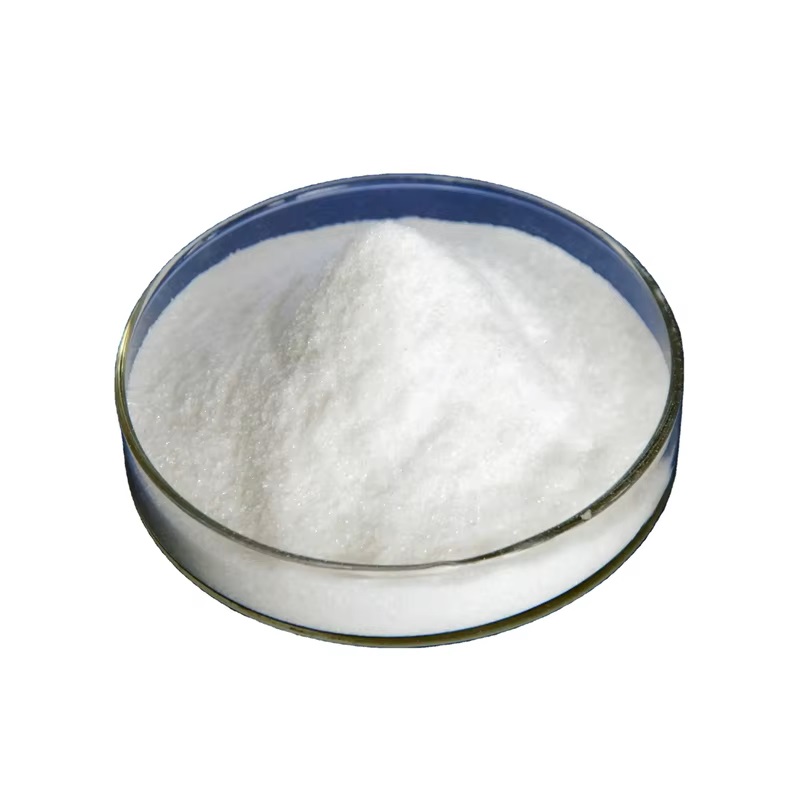
| Appearance | White, crystalline powder |
| Odor | Odorless |
| Taste | Intensely sweet (approx. 200 times sweeter than sucrose) |
| Physical State (20°C) | Solid (crystalline powder) |
| Discovery Year | 1967 (Germany) |
SECTION 2: PHYSICAL PROPERTIES
| Property | Value |
|---|---|
| Appearance | White, crystalline powder |
| Odor | Odorless |
| Molecular Weight | 201.24 g/mol |
| Melting Point | ~250 °C (decomposes) |
| Density (20°C) | ~1.8 g/cm³ |
| Solubility in Water (20°C) | Highly soluble (~270 g/L) |
| Solubility in Ethanol | Slightly soluble |
| pH (1% solution) | 5.5 – 7.0 (neutral) |
| Sweetness (Sucrose = 100) | ~200 |
| Caloric Value | ~0 kcal/g |
| Heat Stability | Stable at high temperatures; suitable for baking and cooking |
| Shelf Life | Very long (stable) |
| Hygroscopicity | Low |
SECTION 3: CHEMICAL PROPERTIES
| Property | Information |
|---|---|
| Chemical Formula | C₄H₄KNO₄S |
| Molecular Weight | 201.24 g/mol |
| Chemical Class | Organic potassium salt (oxathiazine dioxide) |
| Structure | Oxathiazine dioxide ring with potassium salt |
| SMILES | CC1=CC(=O)NS(=O)(=O)O1.[K+] |
| InChI Key | YUSWMAKHYMBTDQ-UHFFFAOYSA-M |
| Metabolism | Not metabolized in the human body; excreted unchanged in urine |
| Stability | Very stable; heat-resistant; long shelf life |
| Heat Stability | Stable at high temperatures; no sweetness loss during baking |
| pH Stability | Stable over a wide pH range |
| Hydrolysis | Resistant to hydrolysis |
| Incompatible Materials | Strong oxidizing agents, strong acids, strong bases |
Chemical Structure:
    O
    ||
    S
   / \
  O   O
  |   |
  C   N
 / \  |
H   C-H
    |
    C
   / \
  H   CH₃

(Potassium salt of 6-methyl-1,2,3-oxathiazine-4-one-2,2-dioxide)
SECTION 4: TASTE PERCEPTION AND PROPERTIES
| Parameter | Description |
|---|---|
| Sweetness | ~200 times sweeter than sucrose |
| Onset of Sweetness | Rapid onset |
| Duration | Short-lived sweetness |
| Aftertaste | May have slight bitter/metallic aftertaste at high concentrations |
| Synergy | Synergistic effect when combined with other sweeteners (aspartame, sucralose, cyclamate) |
| Heat Stability | Stable at high temperatures; suitable for baking and cooking |
| pH Stability | Stable over a wide pH range (2-10) |
| Calories | ~0 kcal/g (not metabolized by the body) |
SECTION 5: FOOD INDUSTRY APPLICATIONS (E950)
| Application | Function |
|---|---|
| Diet Beverages | Low-calorie sweetener |
| Carbonated Drinks | Artificial sweetener |
| Sugar-Free Products | Sweetener |
| Chewing Gum | Sweetener |
| Confectionery | Sweetener |
| Desserts | Sweetener |
| Ice Cream | Sweetener |
| Chocolate Products | Sweetener |
| Baked Goods | Sweetener; heat-stable |
| Tabletop Sweeteners | Powder or tablet form |
| Diabetic Foods | Low-calorie sweetener |
| Pharmaceuticals | Sweetener; taste masking |
| Toothpaste | Sweetener |
SECTION 6: SYNERGY WITH OTHER SWEETENERS
| Sweetener Combination | Synergy Effect |
|---|---|
| Acesulfame K + Aspartame | Improved taste profile; reduced aftertaste |
| Acesulfame K + Sucralose | Better sweetness synergy |
| Acesulfame K + Cyclamate | Synergistic effect; masks bitterness |
| Acesulfame K + Saccharin | Synergistic effect; improved taste |
| Acesulfame K + Stevia | Natural/synthetic blend; improved taste |
SECTION 7: COMPARISON WITH OTHER SWEETENERS
| Property | Acesulfame K (E950) | Aspartame (E951) | Sucralose (E955) | Saccharin (E954) |
|---|---|---|---|---|
| Sweetness (Sucrose=100) | ~200 | ~200 | ~600 | ~300-400 |
| Calories | ~0 kcal/g | ~4 kcal/g | 0 | 0 |
| Heat Stability | High (baking suitable) | Low (not for baking) | High | High |
| Aftertaste | Slight bitter/metallic | Slight bitter/metallic | None | Metallic |
| Metabolism | Not metabolized | Hydrolyzed to amino acids | Not metabolized | Not metabolized |
| PKU Restriction | No | Yes | No | No |
| Synergy | With all sweeteners | With acesulfame K | With acesulfame K | With acesulfame K |
SECTION 8: METABOLISM AND EXCRETION
| Parameter | Description |
|---|---|
| Metabolism | Not metabolized in the human body |
| Absorption | Rapidly absorbed from the gastrointestinal tract |
| Excretion | Excreted unchanged in urine |
| Accumulation | Does not accumulate; rapidly excreted |
| Calories | Not used by the body; 0 kcal/g |
| Half-Life | Short |
SECTION 9: QUALITY SPECIFICATIONS (FOOD GRADE)
| Parameter | Specification (FCC / USP / Ph. Eur.) |
|---|---|
| Appearance | White, crystalline powder |
| Identification | Positive (Acesulfame K tests) |
| Assay (on dried basis) | 99.0 – 101.0% |
| Loss on Drying | ≤ 1.0% |
| pH (1% solution) | 5.5 – 7.0 |
| Potassium Content | 18.5 – 19.5% |
| Heavy Metals (as Pb) | ≤ 10 ppm |
| Lead (Pb) | ≤ 2 ppm |
| Arsenic (As) | ≤ 3 ppm |
| Mercury (Hg) | ≤ 1 ppm |
| Cadmium (Cd) | ≤ 1 ppm |
| Fluoride (F) | ≤ 3 ppm |
| Organic Impurities | ≤ 0.5% |
| Related Substances | ≤ 1.0% |
| Water Insoluble | ≤ 0.1% |
| Sulfate (SO₄) | ≤ 0.01% |
SECTION 10: MICROBIOLOGICAL SPECIFICATIONS
| Parameter | Specification |
|---|---|
| Total Aerobic Mesophilic Bacteria | ≤ 1,000 CFU/g |
| Yeast and Mold | ≤ 100 CFU/g |
| Salmonella spp. | Negative in 25g |
| Escherichia coli | Negative in 10g |
SECTION 11: STORAGE AND SHELF LIFE
| Parameter | Information |
|---|---|
| Storage Conditions | Cool (15-25°C), dry, well-ventilated area |
| Container Requirements | Tightly closed, original packaging |
| Protect From | Moisture, strong oxidizing agents, strong acids, strong bases |
| Shelf Life | 24-60 months (unopened original packaging) |
| Stability Note | Very stable; heat-stable; does not degrade over time |
SECTION 12: PACKAGING OPTIONS
| Packaging Type | Quantity | Material |
|---|---|---|
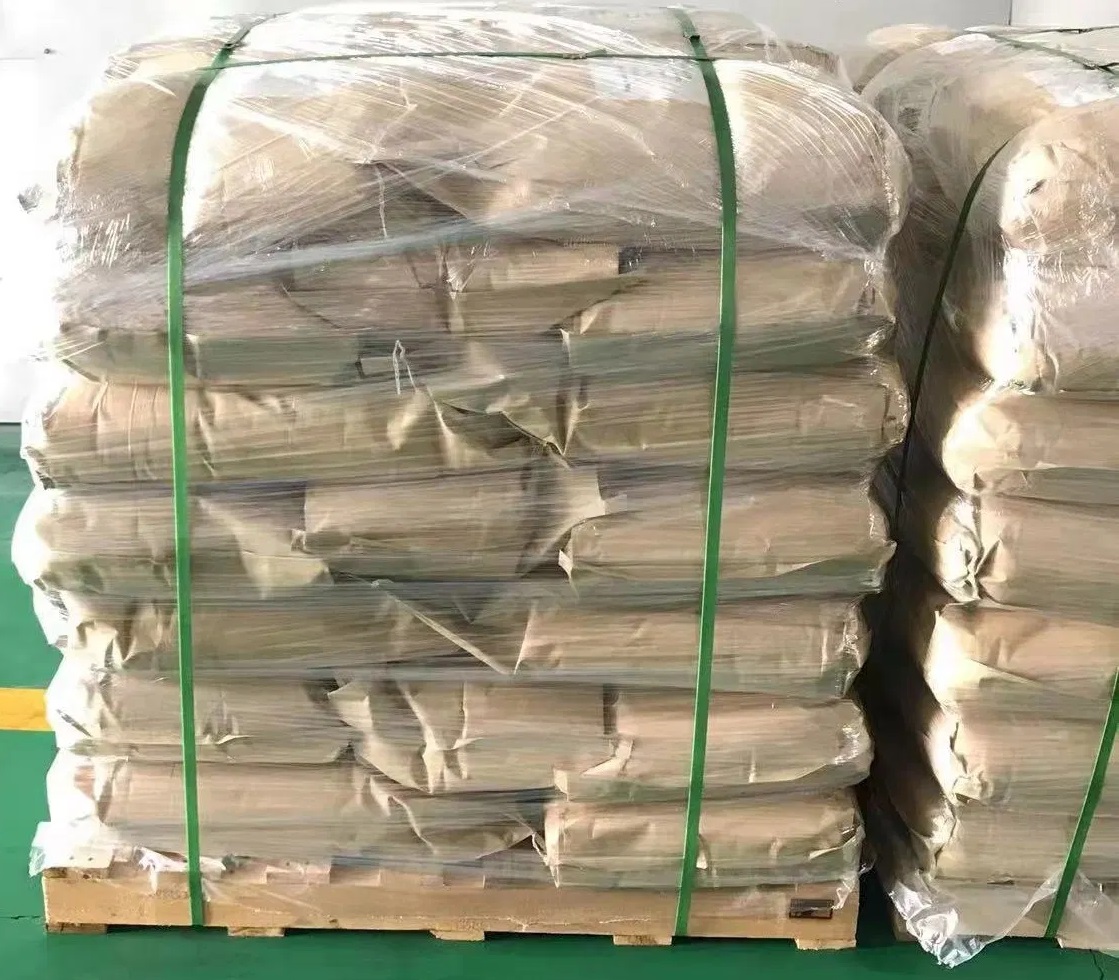
| PE-lined kraft paper bag | 25 kg | Kraft paper + PE |
| Plastic pail | 20-25 kg | HDPE |
| Aluminum foil bag | 1-5 kg | Laminated aluminum |
| Fiber drum | 25-50 kg | HDPE + PE |
| Big-Bag | 500-1000 kg | Polypropylene |
SECTION 13: SAFETY AND HEALTH INFORMATION
GHS Classification (Bulk Powder)
| Hazard Class | Category |
|---|---|
| Not classified as hazardous | - |
Hazard Statements
| Code | Statement |
|---|---|
| None | Not classified as hazardous |
Precautionary Statements
| Code | Statement |
|---|---|
| P261 | Avoid breathing dust |
| P280 | Wear protective gloves/eye protection |
| P305+P351+P338 | IF IN EYES: Rinse cautiously with water for several minutes; remove contact lenses if present and easy to do; continue rinsing |
SECTION 14: TOXICOLOGICAL INFORMATION
| Parameter | Value |
|---|---|
| Oral LD50 (Rat) | > 7,000 mg/kg |
| ADI (Acceptable Daily Intake) | 0-15 mg/kg body weight/day (JECFA) |
| ADI (EFSA) | 0-9 mg/kg body weight/day |
| ADI (FDA) | 0-15 mg/kg body weight/day |
| Carcinogenicity | Not classified |
| Mutagenicity | Negative in standard tests |
| Reproductive Toxicity | No evidence of adverse effects at ADI levels |
| GRAS Status | Yes (FDA) |
| PKU Restriction | No (does not contain phenylalanine) |
SECTION 15: FIRST AID MEASURES
| Exposure Route | Action |
|---|---|
| Inhalation | Move to fresh air. If respiratory irritation persists, seek medical attention. |
| Skin Contact | Wash with plenty of soap and water. |
| Eye Contact | Rinse immediately with plenty of water for at least 15 minutes. Seek medical attention. |
| Ingestion | Rinse mouth. Drink plenty of water. Seek medical attention. |
SECTION 16: REGULATORY STATUS
| Region / Authority | Status |
|---|---|
| European Union | Approved as E950 |
| USA (FDA) | Approved (21 CFR 172.800) |
| Turkey | Approved (Turkish Food Codex) |
| JECFA (FAO/WHO) | Approved; ADI: 0-15 mg/kg bw/day |
| EFSA | Approved; ADI: 0-9 mg/kg bw/day |
| Codex Alimentarius | Approved (INS 950) |
| FCC | Monograph available |
| USP | Monograph available |
| Ph. Eur. | Monograph available |
SECTION 17: TRANSPORT INFORMATION
| Parameter | Information |
|---|---|
| UN Number | Not regulated (not dangerous goods) |
| Hazard Class | Not applicable |
| Packing Group | Not applicable |
| ADR/RID | Not regulated |
| IMDG Code | Not regulated |
| IATA (Air) | Not regulated |
| Marine Pollutant | No |
SECTION 18: FIRE-FIGHTING MEASURES
| Parameter | Information |
|---|---|
| Fire Hazard | Combustible organic solid |
| Suitable Extinguishing Media | Water spray (mist), CO₂, dry chemical powder |
| Specific Hazards | When heated, emits toxic fumes (sulfur oxides, nitrogen oxides, potassium oxide) |
| Decomposition Products | SOx, NOx, K₂O, CO, CO₂ |
| Protective Equipment | Self-contained breathing apparatus (SCBA), full protective clothing |
SECTION 19: ACCIDENTAL SPILLAGE AND CLEANUP
| Parameter | Information |
|---|---|
| Personal Protection | Nitrile gloves, protective goggles, dust mask (N95) |
| Cleaning Methods | Collect mechanically (sweep or spatula) |
| Environmental Precautions | Prevent entry into drains, soil, and surface waters |
| Waste Disposal | According to local regulations; incineration or landfilling at licensed facilities |
SECTION 20: OTHER NAMES AND SYNONYMS
| Type | Name |
|---|---|
| Turkish Names | Asesülfam Potasyum, Asesülfam K, Acesulfam Potasyum |
| English Names | Acesulfame K, Acesulfame Potassium, Acesulfamum Kalicum, Ace-K |
| Trade Names | Sweet One®, Sunett®, Ace-K |
| E Number | E950 |
| CAS Number | 55589-62-3 |
| EC Number | 259-715-3 |
| INCI | Acesulfame Potassium |
SECTION 21: FREQUENTLY ASKED QUESTIONS
| Question | Answer |
|---|---|
| Is Acesulfame K Safe? | Yes, considered safe by FDA, EFSA, and JECFA at approved ADI levels. |
| Does Acesulfame K Have Calories? | No, it is not metabolized and provides ~0 kcal/g. |
| Is Acesulfame K Suitable for Baking? | Yes, it is heat-stable and suitable for baking and cooking. |
| Is Acesulfame K Suitable for Diabetics? | Yes, it does not affect blood sugar levels. |
| Is Acesulfame K PKU Safe? | Yes, it does not contain phenylalanine. |
| Does Acesulfame K Have an Aftertaste? | It may have a slight bitter/metallic aftertaste at high concentrations. |
| Is Acesulfame K Blended with Other Sweeteners? | Yes, often blended with aspartame, sucralose, or stevia for improved taste. |
SECTION 22: SUMMARY AND CRITICAL NOTES
Product Summary
| Parameter | Value |
|---|---|
| Product | Acesulfame K |
| CAS Number | 55589-62-3 |
| E Number | E950 |
| Appearance | White, crystalline powder |
| Molecular Weight | 201.24 g/mol |
| Sweetness | ~200 times sucrose |
| Calories | ~0 kcal/g |
| Primary Function | Low-calorie sweetener |
| ADI (JECFA) | 0-15 mg/kg bw/day |
Critical Notes
-
Intense Sweetener: Acesulfame K is approximately 200 times sweeter than sucrose; used in very small amounts.
-
Heat Stable: Stable at high temperatures; suitable for baking and cooking (unlike aspartame).
-
Synergistic: Often blended with other sweeteners (aspartame, sucralose, cyclamate) to improve taste profile.
-
Rapid Onset: Sweetness is perceived quickly but also fades rapidly.
-
Aftertaste: May have a slight bitter/metallic aftertaste at high concentrations.
-
Not Metabolized: Not metabolized by the body; excreted unchanged in urine; 0 kcal/g.
-
Safe: Considered safe by FDA, EFSA, and JECFA at approved ADI levels.
-
PKU Safe: Does not contain phenylalanine; safe for PKU patients.
-
ADI: 0-15 mg/kg body weight/day (JECFA); 0-9 mg/kg body weight/day (EFSA).
-
Applications: Used in diet beverages, chewing gum, confectionery, baked goods, tabletop sweeteners, and pharmaceuticals.
IMPORTANT DECLARATION: This Technical Data Sheet (TDS) is for informational purposes only and has been prepared based on available technical data. The user is responsible for determining the product's suitability for their specific application and for complying with all local, national, and international regulations. For complete safety, storage, use, transport, waste, and regulatory compliance information, refer to the official Safety Data Sheet (SDS/MSDS) provided by the manufacturer/supplier. This document does not replace medical advice.