We unleash your business potential by maximize the business innovation.
Send EmailXanthan Gum, Xanthate Gum, Xanthan Gummi, Gluco Mannan Mayo, E415, 11138-66-2
XANTHAN GUM – KSANTAN SAKIZI
CAS Number: 11138-66-2
EC Number (EINECS): 234-394-2
Chemical Formula: (C₃₅H₄₉O₂₉)ₙ
E Number: E415
SECTION 1: CHEMICAL IDENTITY AND DEFINITION
| Parameter | Information |
|---|---|
| Chemical Name | Xanthan Gum |
| Other Names | Xanthan, Polysaccharide, Gluco-manno-glucuronic acid chain, Corn sugar gum, Gluco Mannan Mayo |
| Chemical Class | Polysaccharide (microbial exopolysaccharide) |
| CAS Number | 11138-66-2 |
| EC Number (EINECS) | 234-394-2 |
| E Number | E415 (Thickener, stabilizer) |
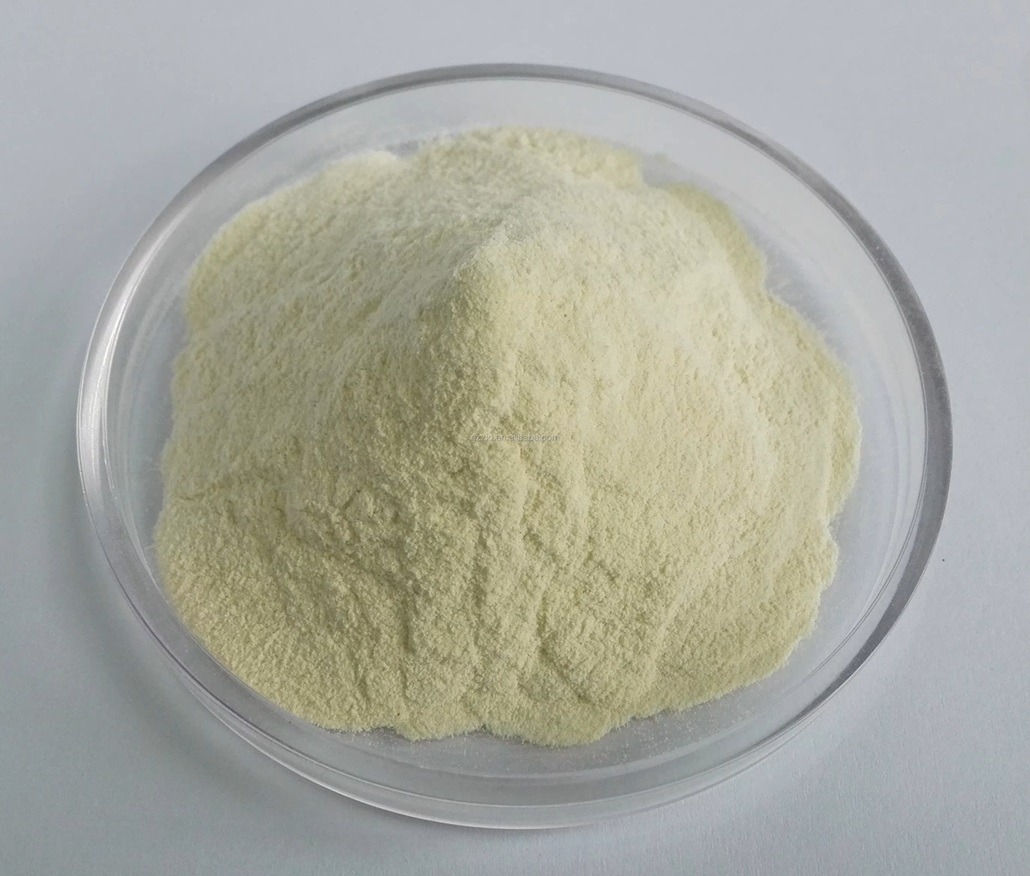
| Appearance | White to pale yellow, free-flowing fine powder |
| Odor | Odorless |
| Taste | Neutral |
| Physical State (20°C) | Solid (powder) |
| Origin | China, India, Europe |
| Production Method | Fermentation by Xanthomonas campestris bacteria |
SECTION 2: PHYSICAL PROPERTIES
| Property | Value |
|---|---|
| Appearance | White to pale yellow, free-flowing fine powder |
| Odor | Odorless |
| Taste | Neutral |
| Density (20°C) | 1.50 g/cm³ |
| Moisture Content | ≤ 13% |
| Ash Content | ≤ 15% |
| Protein Content | ≤ 1% |
| Nitrogen Content | ≤ 0.3% |
| Chloride Content | ≤ 1% |
| Particle Size | 80 – 200 mesh |
| Viscosity (1% solution, 25°C) | 1200 – 1800 cP (Brookfield viscometer) |
| pH Stability | Stable at pH 2 – 12 |
| Solubility in Water | Completely soluble |
| Solubility in Organic Solvents | Insoluble |
| Flow Behavior | Pseudoplastic (shear-thinning) |
| Thermal Stability | Maintains viscosity above 100°C |
| Light Stability | Resistant to UV |
SECTION 3: CHEMICAL PROPERTIES
| Property | Information |
|---|---|
| Chemical Structure | Branched polysaccharide; glucose, mannose, and glucuronic acid chains |
| Functional Groups | Hydroxyl (-OH), carboxyl (-COOH) |
| Molecular Structure | β-(1→4)-D-glucose backbone; α-D-mannose, β-D-glucuronic acid, and β-D-mannose side chains |
| Molecular Weight | High (~1-2 million Da) |
| Charge | Anionic (negatively charged) |
| Polyelectrolyte Behavior | Exhibits polyelectrolyte behavior |
| Stability | Stable under normal storage conditions |
| Incompatible Materials | Strong oxidizing agents |
| Enzyme Resistance | Resistant to most enzymes |
SECTION 4: FUNCTIONAL PROPERTIES
| Property | Description |
|---|---|
| Primary Function | Thickener, stabilizer, emulsifier |
| Secondary Function | Suspension agent, binder, film former |
| Pseudoplastic Behavior | Viscosity decreases with mixing, increases upon standing (provides pumpability) |
| Cold Water Solubility | Soluble in both cold and hot water |
| Salt Tolerance | Stable at high salt concentrations |
| pH Tolerance | Stable at pH 2-12 |
| Heat Tolerance | Resistant to pasteurization and sterilization |
| Synergistic Effect | Shows synergistic effect with guar gum, locust bean gum |
| Lubricity | Provides high viscosity and slipperiness |
SECTION 5: FOOD INDUSTRY APPLICATIONS (E415)
| Application | Function |
|---|---|
| Sauces and Salad Dressings | Thickener, emulsifier, stabilizer |
| Ice Cream and Dairy Products | Stabilizer; prevents ice crystal formation |
| Beverages (Fruit-based) | Provides suspension; prevents particle sedimentation |
| Instant Soups | Thickener, stabilizer |
| Gluten-Free Products | Binder, structure preserver (replaces gluten) |
| Cheese | Provides firmness with guar gum and locust bean gum |
| Frozen Dairy Products | Synergy with methylcellulose and carboxymethylcellulose |
| Syrups | High viscosity, good flow properties |
| Low-Fat Products | Texture and consistency improvement |
| Bakery Products | Thickener, emulsifier, binder |
| Fruit Juices | Rapid dissolution at low pH; provides suspension |
SECTION 6: COSMETIC AND PERSONAL CARE APPLICATIONS
| Application | Function |
|---|---|
| Toothpastes | Thickener, binder, emulsifier |
| Shampoos | Thickener, stabilizer |
| Creams and Lotions | Thickener, stabilizer |
| Gels | Thickener |
| Acne/Acne Creams | Thickener; used with salicylic acid |
| Wrinkle Fillers | Moisture retention; supports hyaluronic acid production |
| Hair Care Products | Thickener, ease of application |
| Skin Care Products | Stabilizer, thickener |
| Insect Repellent Sprays | Thickening agent |
SECTION 7: PHARMACEUTICAL APPLICATIONS
| Application | Function |
|---|---|
| Suspension Preparations | Suspending agent |
| Controlled Release Systems | Auxiliary polymer |
| Pharmaceutical Preparations | Thickener, binder |
| Wine Tablets | Controlled release, binder |
| Topical Formulations | Thickener, stabilizer |
SECTION 8: INDUSTRIAL APPLICATIONS
| Application | Function |
|---|---|
| Oil Drilling | Mud stabilizer |
| Oil Fracturing Operations | Used with sodium percarbonate and ammonium persulfate |
| Textile | Sizing agents, adhesives, finishing agents |
| Wallpaper Adhesives | Thickener |
| Tile, Mortar, Toilet Cleaners | Thickener |
| Paints | Thickener, stabilizer |
| Agricultural Chemicals | Thickener in fungicides, herbicides, insecticides |
| Car Shampoos | Thickener |
| Livestock | Thickener in teat disinfectants for dairy animals |
SECTION 9: QUALITY SPECIFICATIONS (FOOD GRADE)
| Parameter | Specification (FCC / USP) |
|---|---|
| Appearance | White to pale yellow, free-flowing powder |
| Identification | Positive (Xanthan Gum tests) |
| Viscosity (1%, 25°C) | 1200 – 1800 cP |
| Moisture Content | ≤ 13% |
| Ash Content | ≤ 15% |
| Protein Content | ≤ 1% |
| Nitrogen Content | ≤ 0.3% |
| Chloride Content | ≤ 1% |
| Lead (Pb) | ≤ 2 ppm |
| Arsenic (As) | ≤ 3 ppm |
| Heavy Metals (as Pb) | ≤ 10 ppm |
| pH (1% solution) | 6.0 – 8.0 |
| Particle Size | 80 – 200 mesh |
| Pyruvic Acid Content | ≥ 60% |
SECTION 10: MICROBIOLOGICAL SPECIFICATIONS
| Parameter | Specification |
|---|---|
| Total Aerobic Mesophilic Bacteria | ≤ 5,000 CFU/g |
| Yeast and Mold | ≤ 100 CFU/g |
| Salmonella spp. | Negative in 25g |
| Escherichia coli | Negative in 10g |
| Staphylococcus aureus | Negative in 1g |
| Pseudomonas aeruginosa | Negative in 1g |
SECTION 11: STORAGE AND SHELF LIFE
| Parameter | Information |
|---|---|
| Storage Conditions | Cool (15-25°C), dry, well-ventilated area |
| Container Requirements | Tightly closed, original packaging (hygroscopic) |
| Protect From | Moisture, strong oxidizing agents |
| Shelf Life | 24 months (unopened original packaging) |
| Stability Note | Hygroscopic; absorbs moisture; store in airtight containers |
SECTION 12: PACKAGING OPTIONS
| Packaging Type | Quantity | Material |
|---|---|---|
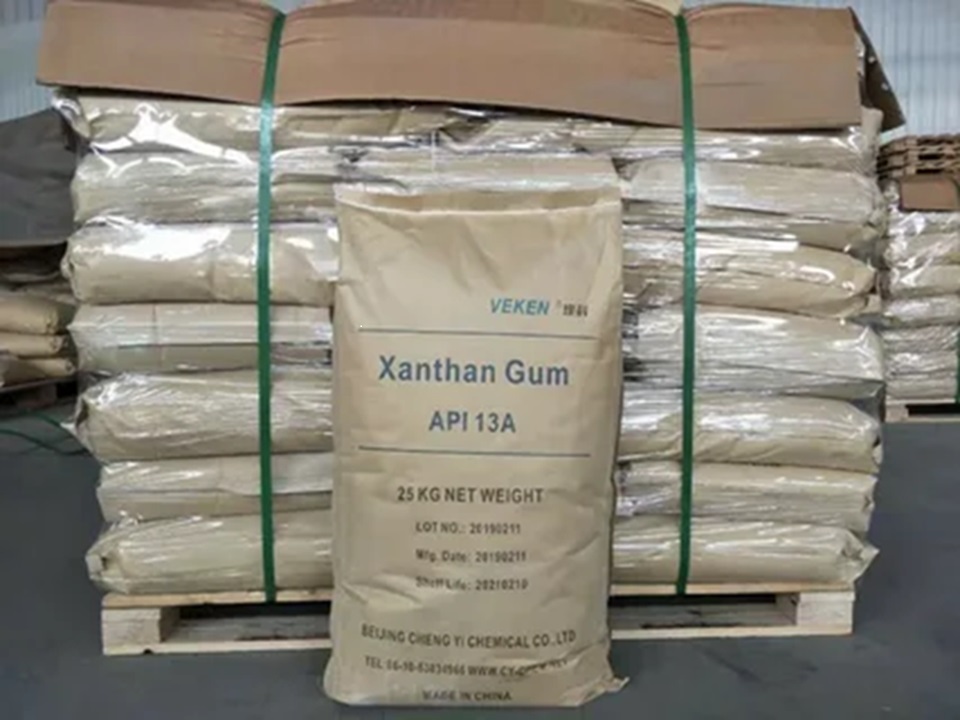
| PE-lined kraft paper bag | 25 kg | Kraft paper + PE |
| Plastic pail | 20-25 kg | HDPE |
| Aluminum foil bag | 1-5 kg | Laminated aluminum |
| Fiber drum | 25-50 kg | HDPE + PE |
| Big-Bag | 500-1000 kg | Polypropylene (with PE liner) |
SECTION 13: SAFETY AND HEALTH INFORMATION
GHS Classification (Bulk Powder)
| Hazard Class | Category |
|---|---|
| Not classified as hazardous | - |
Hazard Statements
| Code | Statement |
|---|---|
| None | Not classified as hazardous |
Precautionary Statements
| Code | Statement |
|---|---|
| P261 | Avoid breathing dust |
| P280 | Wear protective gloves/eye protection |
| P305+P351+P338 | IF IN EYES: Rinse cautiously with water for several minutes; remove contact lenses if present and easy to do; continue rinsing |
SECTION 14: TOXICOLOGICAL INFORMATION
| Parameter | Value |
|---|---|
| Oral LD50 (Rat) | > 5,000 mg/kg |
| ADI (Acceptable Daily Intake) | Not specified (JECFA) |
| Carcinogenicity | Not classified |
| Mutagenicity | Negative in standard tests |
| GRAS Status | Yes (21 CFR 172.695) |
| Allergen | Non-allergenic |
| Toxicity | Non-toxic |
SECTION 15: FIRST AID MEASURES
| Exposure Route | Action |
|---|---|
| Inhalation | Move to fresh air. If respiratory irritation persists, seek medical attention. |
| Skin Contact | Wash with plenty of soap and water. |
| Eye Contact | Rinse immediately with plenty of water for at least 15 minutes. Seek medical attention. |
| Ingestion | Rinse mouth. Drink plenty of water. Seek medical attention. |
SECTION 16: REGULATORY STATUS
| Region / Authority | Status |
|---|---|
| European Union | Approved as E415 |
| USA (FDA) | GRAS (21 CFR 172.695) |
| Turkey | Approved (Turkish Food Codex) |
| JECFA (FAO/WHO) | Approved; ADI: Not specified |
| Codex Alimentarius | Approved (INS 415) |
| Kosher | Certifiable |
| Halal | Certifiable |
| GMO Status | Generally uses non-GMO substrates |
SECTION 17: TRANSPORT INFORMATION
| Parameter | Information |
|---|---|
| UN Number | Not regulated (not dangerous goods) |
| Hazard Class | Not applicable |
| Packing Group | Not applicable |
| ADR/RID | Not regulated |
| IMDG Code | Not regulated |
| IATA (Air) | Not regulated |
| Marine Pollutant | No |
SECTION 18: FIRE-FIGHTING MEASURES
| Parameter | Information |
|---|---|
| Fire Hazard | Combustible organic powder |
| Suitable Extinguishing Media | Water spray (mist), CO₂, dry chemical powder |
| Specific Hazards | When heated, emits CO, CO₂ |
| Decomposition Products | CO, CO₂ |
| Protective Equipment | Self-contained breathing apparatus (SCBA), full protective clothing |
SECTION 19: ACCIDENTAL SPILLAGE AND CLEANUP
| Parameter | Information |
|---|---|
| Personal Protection | Nitrile gloves, protective goggles, dust mask (N95) |
| Cleaning Methods | Collect mechanically (sweep or spatula) |
| Environmental Precautions | Prevent entry into drains, soil, and surface waters |
| Waste Disposal | According to local regulations; landfilling at licensed facilities |
SECTION 20: OTHER NAMES AND SYNONYMS
| Type | Name |
|---|---|
| Turkish Names | Ksantan Sakızı, Ksantan Zamkı |
| English Names | Xanthan Gum, Xanthan, Corn Sugar Gum, Gluco Mannan Mayo |
| Chemical Names | Polysaccharide; Gluco-manno-glucuronic acid chain |
| German | Xanthan Gummi |
| Latin | Xanthan Gummi, Galacto Mannane |
| E Number | E415 |
| CAS Number | 11138-66-2 |
| EC Number | 234-394-2 |
| INCI | Xanthan Gum |
SECTION 21: SUMMARY AND CRITICAL NOTES
Product Summary
| Parameter | Value |
|---|---|
| Product | Xanthan Gum |
| CAS Number | 11138-66-2 |
| E Number | E415 |
| Appearance | White to pale yellow, free-flowing fine powder |
| Viscosity (1%) | 1200-1800 cP |
| pH Stability | 2-12 |
| Primary Function | Thickener, stabilizer |
| GRAS | Yes |
Critical Notes
-
Microbial Polysaccharide: Xanthan gum is an exopolysaccharide produced by fermentation of Xanthomonas campestris bacteria.
-
Pseudoplastic Behavior: Exhibits shear-thinning behavior; viscosity decreases with mixing, increases upon standing (provides pumpability).
-
Wide pH Stability: Stable at pH 2-12; suitable for acidic and alkaline products.
-
Heat Resistance: Maintains viscosity above 100°C; resistant to pasteurization and sterilization.
-
Cold Water Soluble: Soluble in both cold and hot water; insoluble in organic solvents.
-
High Viscosity: Provides high viscosity (1200-1800 cP) at low concentrations (1%).
-
Salt Tolerance: Remains stable at high salt concentrations.
-
Gluten-Free Products: Used as a binder and structure preserver in gluten-free baking.
-
Synergistic Effect: Shows synergistic effect with guar gum and locust bean gum.
-
Regulatory Status: Approved in EU (E415), FDA (GRAS), JECFA, and Turkish Food Codex.
IMPORTANT DECLARATION: This Technical Data Sheet (TDS) is for informational purposes only and has been prepared based on available technical data. The user is responsible for determining the product's suitability for their specific application and for complying with all local, national, and international regulations. For complete safety, storage, use, transport, waste, and regulatory compliance information, refer to the official Safety Data Sheet (SDS/MSDS) provided by the manufacturer/supplier.