We unleash your business potential by maximize the business innovation.
Send EmailAscorbic Acid, L-Ascorbic Acid, Antiscorbuk Vitamin, Vitamin C, E300, 50-81-7
ASCORBIC ACID – ASKORBİK ASİT
CAS Number: 50-81-7
EC Number (EINECS): 200-066-2
Molecular Formula: C₆H₈O₆
Molecular Weight: 176.12 g/mol
E Number: E300
SECTION 1: CHEMICAL IDENTITY AND DEFINITION
| Parameter | Information |
|---|---|
| Chemical Name (IUPAC) | (5R)-5-[(1S)-1,2-dihydroxyethyl]-3,4-dihydroxy-2(5H)-furanone |
| Other Names | Ascorbic Acid, L-Ascorbic Acid, Vitamin C, Antiscorbutic Factor, Antiscorbuk Vitamin |
| Chemical Formula | C₆H₈O₆ |
| Molecular Weight | 176.12 g/mol |
| CAS Number | 50-81-7 |
| EC Number (EINECS) | 200-066-2 |
| E Number | E300 (Antioxidant, preservative) |
| Chemical Class | Organic acid (lactone) |
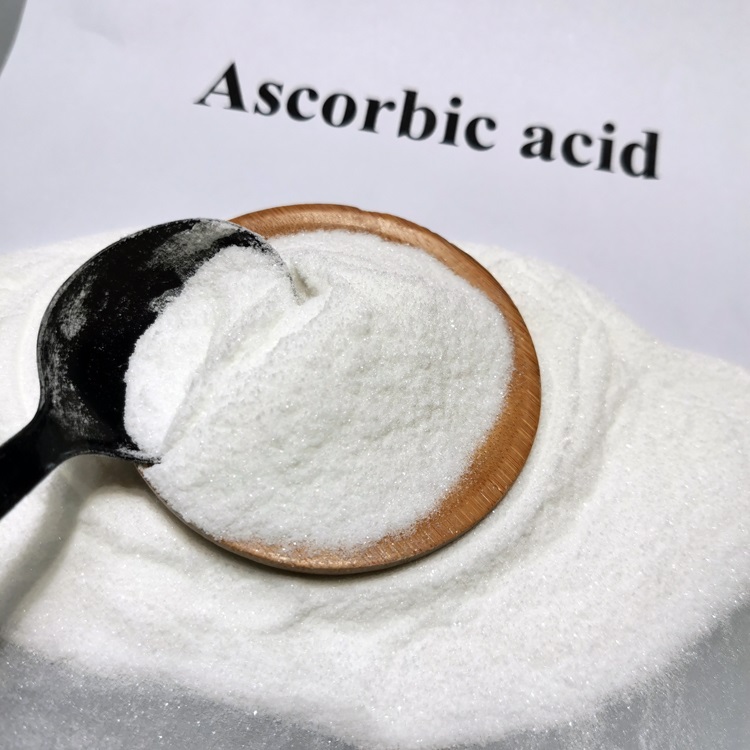
| Appearance | White to slightly yellow, crystalline powder |
| Odor | Odorless |
| Taste | Acidic, sharp |
| Physical State (20°C) | Solid (crystalline powder) |
| Chemical Structure | 6-carbon compound; lactone ring |
SECTION 2: PHYSICAL PROPERTIES
| Property | Value |
|---|---|
| Appearance | White to slightly yellow, crystalline powder |
| Odor | Odorless |
| Taste | Acidic, sharp |
| Molecular Weight | 176.12 g/mol |
| Melting Point | 190 – 194 °C (decomposes) |
| Density (20°C) | 1.65 g/cm³ |
| Solubility in Water (20°C) | Soluble (~400 g/L) |
| Solubility in Ether | Insoluble |
| Solubility in Chloroform | Insoluble |
| Solubility in Benzene | Insoluble |
| Solubility in Oils | Insoluble |
| pH (1% solution) | ~2.2 – 2.5 (acidic) |
| Specific Rotation [α]D²⁰ | +20.5° to +21.5° |
| Flammability | Combustible organic solid |
| pKa₁ | 4.17 |
| pKa₂ | 11.57 |
SECTION 3: CHEMICAL PROPERTIES
| Property | Information |
|---|---|
| Chemical Formula | C₆H₈O₆ |
| Molecular Weight | 176.12 g/mol |
| Chemical Class | Organic acid (lactone) |
| Functional Groups | Hydroxyl (-OH), carbonyl (C=O), lactone |
| Structure | 6-carbon compound; lactone ring with four hydroxyl groups |
| SMILES | OCC@@H[C@H]1OC(=O)C(O)=C1O |
| InChI Key | CIWBSHSKHKDKBQ-JLAZNSOCSA-N |
| Optical Activity | L-form (naturally occurring, biologically active) |
| Stability | Sensitive to light, heat, oxygen, and moisture |
| Oxidation | Oxidizes to dehydroascorbic acid (reversible) |
| Reactivity | Reacts vigorously with oxidizing agents |
| Incompatible Materials | Strong oxidizing agents, strong bases, light, heat |
Chemical Structure:
    O
    ||
    C
   / \
  /   \
 C     C
 |     |
 OH    OH
 |     |
 C     C
 | \ / |
 OH C  OH
    |
   CH₂OH

(L-Ascorbic Acid / Vitamin C)
SECTION 4: STABILITY AND DEGRADATION
| Parameter | Description |
|---|---|
| Heat Sensitivity | Sensitive to heat; degrades at temperatures above 60°C |
| Light Sensitivity | Sensitive to light; store in light-resistant containers |
| Oxygen Sensitivity | Oxidizes in air to dehydroascorbic acid; loses activity |
| Moisture Sensitivity | Hygroscopic; absorbs moisture; degrades in humid conditions |
| pH Stability | Most stable at pH 3-4; unstable in alkaline conditions |
| Metal Ion Catalysis | Degradation catalyzed by metal ions (Cu²⁺, Fe³⁺) |
| Degradation Products | Dehydroascorbic acid, oxalic acid, threonic acid |
SECTION 5: MECHANISM OF ACTION
| Parameter | Description |
|---|---|
| Primary Function | Antioxidant; reduces reactive oxygen species (ROS) |
| Mechanism | Donates electrons to neutralize free radicals |
| Enzyme Cofactor | Cofactor for hydroxylase enzymes (collagen synthesis) |
| Biological Role | Essential for collagen biosynthesis; acts as reducing agent in metabolic pathways |
| Absorption | Actively absorbed in the small intestine |
| Excretion | Excess vitamin C is excreted in urine |
| Storage | Not stored in the body; daily intake required |
SECTION 6: BIOLOGICAL SIGNIFICANCE
| Parameter | Description |
|---|---|
| Essential Nutrient | Cannot be synthesized by humans; must be obtained from diet |
| Collagen Synthesis | Required for synthesis of collagen (connective tissue, skin, bone, teeth) |
| Immune System | Supports immune function; enhances white blood cell activity |
| Antioxidant | Protects cells from oxidative damage |
| Iron Absorption | Enhances absorption of non-heme iron |
| Wound Healing | Promotes wound healing and tissue repair |
| Neurotransmitter Synthesis | Involved in synthesis of serotonin and norepinephrine |
| Scurvy Prevention | Prevents scurvy (vitamin C deficiency disease) |
SECTION 7: FOOD INDUSTRY APPLICATIONS (E300)
| Application | Function |
|---|---|
| Food Preservative | Antioxidant; prevents oxidation of food components |
| Color Stabilizer | Preserves red color in cured meats (prevents nitrosamine formation) |
| Enzymatic Browning Prevention | Prevents browning of cut fruits and vegetables |
| Flavor Preservation | Maintains flavor of processed foods |
| Dried Meats | Preserves red color of dried meats |
| Meat Curing | Inhibits nitrosamine formation; stabilizes color quality |
| Bakery Products | Improves wheat flour and dough quality |
| Wine and Beer | Maintains clarity; prevents oxidation |
| Processed Fruits/Vegetables | Prevents enzymatic browning |
| Oil Oxidation Prevention | Prevents oxidative rancidity in oils |
| Acidulant | Provides acidic taste in foods |
SECTION 8: PHARMACEUTICAL APPLICATIONS
| Application | Function |
|---|---|
| Vitamin C Supplements | Dietary supplement for vitamin C deficiency |
| Cold and Flu Medications | Used with pseudoephedrine HCl (300 mg ascorbic acid) |
| Immunity Boosters | Supports immune system |
| Wound Healing | Promotes tissue repair |
| Scurvy Treatment | Prevents and treats scurvy |
| Antioxidant Therapy | Reduces oxidative stress |
| Iron Absorption Enhancer | Used with iron supplements to enhance absorption |
SECTION 9: COSMETIC APPLICATIONS
| Application | Function |
|---|---|
| Skin Care Products | Antioxidant; skin brightening; collagen synthesis support |
| Anti-Aging Creams | Reduces signs of aging; protects from oxidative damage |
| Serums | Skin brightening; antioxidant protection |
| Sunscreen Products | Antioxidant support |
SECTION 10: OTHER APPLICATIONS
| Application | Function |
|---|---|
| Food Preservation | Natural food preservative |
| Beverage Industry | Used in fruit juices and soft drinks (acidulant, antioxidant) |
| Alcohol Industry | Maintains clarity of wine and beer |
SECTION 11: QUALITY SPECIFICATIONS (FOOD GRADE)
| Parameter | Specification (USP / Ph. Eur. / FCC) |
|---|---|
| Appearance | White to slightly yellow, crystalline powder |
| Identification | Positive (Ascorbic Acid tests) |
| Assay (on dried basis) | 99.0 – 101.0% |
| Specific Rotation [α]D²⁰ | +20.5° to +21.5° |
| pH (1% solution) | 2.2 – 2.5 |
| Loss on Drying | ≤ 0.1% |
| Residue on Ignition | ≤ 0.1% |
| Heavy Metals (as Pb) | ≤ 10 ppm |
| Lead (Pb) | ≤ 2 ppm |
| Arsenic (As) | ≤ 3 ppm |
| Mercury (Hg) | ≤ 1 ppm |
| Cadmium (Cd) | ≤ 1 ppm |
| Oxalic Acid | ≤ 0.2% |
| Iron (Fe) | ≤ 2 ppm |
| Copper (Cu) | ≤ 5 ppm |
SECTION 12: MICROBIOLOGICAL SPECIFICATIONS
| Parameter | Specification |
|---|---|
| Total Aerobic Mesophilic Bacteria | ≤ 1,000 CFU/g |
| Yeast and Mold | ≤ 100 CFU/g |
| Salmonella spp. | Negative in 25g |
| Escherichia coli | Negative in 10g |
SECTION 13: STORAGE AND SHELF LIFE
| Parameter | Information |
|---|---|
| Storage Conditions | Cool (15-25°C), dry, well-ventilated area |
| Container Requirements | Tightly closed, light-resistant (amber glass or opaque containers) |
| Protect From | Light, heat, oxygen, moisture, strong oxidizing agents, metal ions |
| Shelf Life | 24-36 months (unopened original packaging) |
| Stability Note | Degrades in presence of light, heat, and oxygen; store in airtight containers |
SECTION 14: PACKAGING OPTIONS
| Packaging Type | Quantity | Material |
|---|---|---|
| PE-lined kraft paper bag | 25 kg | Kraft paper + PE |
| Plastic pail | 20-25 kg | HDPE |
| Aluminum foil bag | 1-5 kg | Laminated aluminum |
| Fiber drum | 25-50 kg | HDPE + PE |
| Glass bottle | 1-5 kg | Amber glass |
SECTION 15: SAFETY AND HEALTH INFORMATION
GHS Classification (Bulk Powder)
| Hazard Class | Category |
|---|---|
| Not classified as hazardous | - |
Hazard Statements
| Code | Statement |
|---|---|
| None | Not classified as hazardous |
Precautionary Statements
| Code | Statement |
|---|---|
| P261 | Avoid breathing dust |
| P280 | Wear protective gloves/eye protection |
| P305+P351+P338 | IF IN EYES: Rinse cautiously with water for several minutes; remove contact lenses if present and easy to do; continue rinsing |
SECTION 16: TOXICOLOGICAL INFORMATION
| Parameter | Value |
|---|---|
| Oral LD50 (Rat) | > 5,000 mg/kg |
| ADI (Acceptable Daily Intake) | Not specified (JECFA) |
| Carcinogenicity | Not classified |
| Mutagenicity | Negative in standard tests |
| Reproductive Toxicity | No evidence of adverse effects |
| FDA GRAS | Yes (21 CFR 182.3013) |
| Upper Limit (Adults) | 2,000 mg/day (tolerable upper intake level) |
SECTION 17: FIRST AID MEASURES
| Exposure Route | Action |
|---|---|
| Inhalation | Move to fresh air. If respiratory irritation persists, seek medical attention. |
| Skin Contact | Wash with plenty of soap and water. |
| Eye Contact | Rinse immediately with plenty of water for at least 15 minutes. Seek medical attention. |
| Ingestion | Rinse mouth. Drink plenty of water. Seek medical attention. |
SECTION 18: REGULATORY STATUS
| Region / Authority | Status |
|---|---|
| European Union | Approved as E300 |
| USA (FDA) | GRAS (21 CFR 182.3013) |
| Turkey | Approved (Turkish Food Codex) |
| JECFA (FAO/WHO) | Approved; ADI: Not specified |
| Codex Alimentarius | Approved (INS 300) |
| FCC | Monograph available |
| USP | Monograph available |
| Ph. Eur. | Monograph available |
SECTION 19: TRANSPORT INFORMATION
| Parameter | Information |
|---|---|
| UN Number | Not regulated (not dangerous goods) |
| Hazard Class | Not applicable |
| Packing Group | Not applicable |
| ADR/RID | Not regulated |
| IMDG Code | Not regulated |
| IATA (Air) | Not regulated |
| Marine Pollutant | No |
SECTION 20: FIRE-FIGHTING MEASURES
| Parameter | Information |
|---|---|
| Fire Hazard | Combustible organic solid |
| Suitable Extinguishing Media | Water spray (mist), CO₂, dry chemical powder |
| Specific Hazards | When heated, emits CO, CO₂ |
| Decomposition Products | CO, CO₂ |
| Protective Equipment | Self-contained breathing apparatus (SCBA), full protective clothing |
SECTION 21: ACCIDENTAL SPILLAGE AND CLEANUP
| Parameter | Information |
|---|---|
| Personal Protection | Nitrile gloves, protective goggles, dust mask (N95) |
| Cleaning Methods | Collect mechanically (sweep or spatula) |
| Environmental Precautions | Prevent entry into drains, soil, and surface waters |
| Waste Disposal | According to local regulations; incineration or landfilling at licensed facilities |
SECTION 22: OTHER NAMES AND SYNONYMS
| Type | Name |
|---|---|
| Turkish Names | Askorbik Asit, C Vitamini, Limon Tuzu, Antiscorbik Vitamin |
| English Names | Ascorbic Acid, L-Ascorbic Acid, Vitamin C, Antiscorbutic Factor |
| Chemical Names | L-Threo-hex-2-enoic acid gamma-lactone, 3-Keto-L-gulofuranolactone, L-3-Ketothreohexuronic acid lactone |
| E Number | E300 |
| CAS Number | 50-81-7 |
| EC Number | 200-066-2 |
| INCI | Ascorbic Acid |
Trade Names (Partial List):
-
Vitamin C
-
Various generics
SECTION 23: SUMMARY AND CRITICAL NOTES
Product Summary
| Parameter | Value |
|---|---|
| Product | Ascorbic Acid (Vitamin C) |
| CAS Number | 50-81-7 |
| E Number | E300 |
| Appearance | White to slightly yellow, crystalline powder |
| Molecular Weight | 176.12 g/mol |
| Primary Function | Antioxidant, preservative, vitamin |
| ADI | Not specified |
Critical Notes
-
Essential Nutrient: Vitamin C is an essential nutrient that cannot be synthesized by humans; must be obtained from diet.
-
Antioxidant: Protects cells from oxidative damage by neutralizing reactive oxygen species.
-
Collagen Synthesis: Essential for collagen biosynthesis; supports skin, bone, teeth, and connective tissue health.
-
Heat and Light Sensitive: Degrades in presence of light, heat, oxygen, and moisture; store in airtight, light-resistant containers.
-
Scurvy Prevention: Prevents and treats scurvy (vitamin C deficiency).
-
Food Preservative (E300): Used as antioxidant to prevent oxidation; preserves color, flavor, and texture of foods.
-
Reduces Nitrosamine Formation: Prevents formation of cancer-causing nitrosamines in cured meats.
-
Iron Absorption: Enhances absorption of non-heme iron from plant sources.
-
Cosmetic Use: Used in skin care products as antioxidant and skin brightening agent.
-
Regulatory Status: Approved in EU (E300), FDA (GRAS), JECFA, and Turkish Food Codex.
IMPORTANT DECLARATION: This Technical Data Sheet (TDS) is for informational purposes only and has been prepared based on available technical data. The user is responsible for determining the product's suitability for their specific application and for complying with all local, national, and international regulations. For complete safety, storage, use, transport, waste, and regulatory compliance information, refer to the official Safety Data Sheet (SDS/MSDS) provided by the manufacturer/supplier. This document does not replace medical advice.