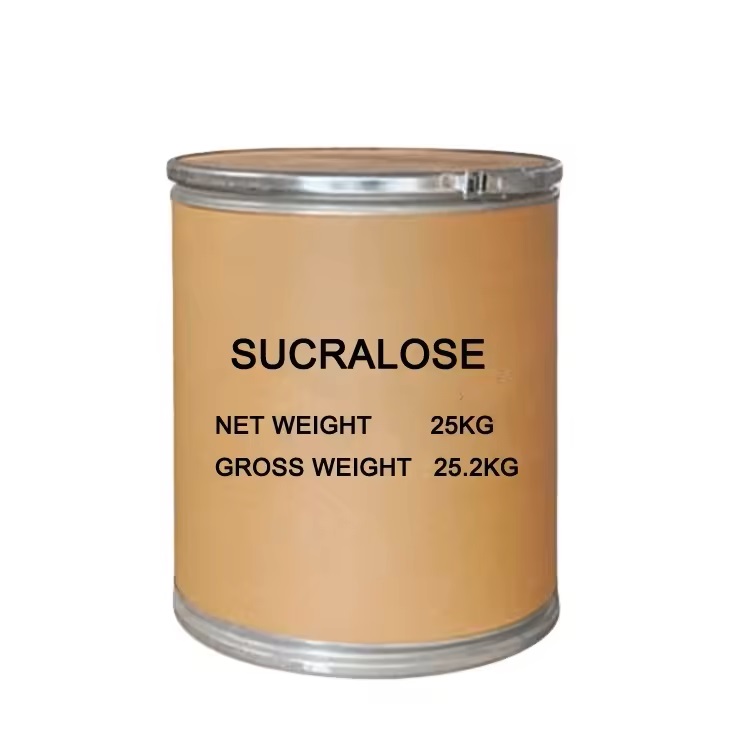
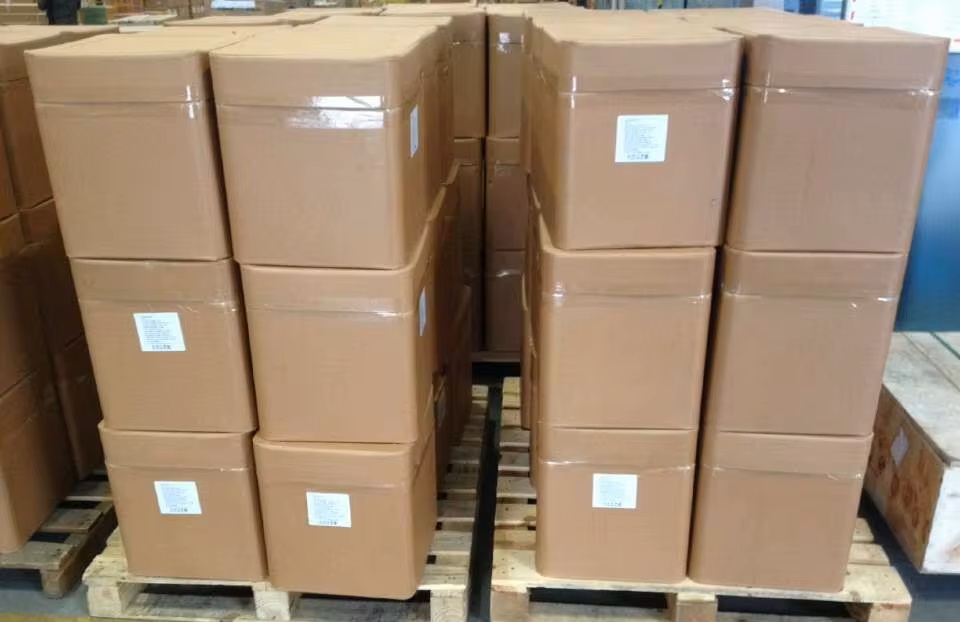
We unleash your business potential by maximize the business innovation.
Send EmailSucralose, Sucrazide, Sucrazite, Trichlorosucrose, Trichlorogalacto-sucrose, E955, 56038-13-2
Sucralose
CAS Number: 56038-13-2
Chemical Formula: C₁₂H₁₉Cl₃O₈
Molecular Weight: 397.64 g/mol
E Number: E955
Synonyms: Trichlorosucrose, Trichlorogalacto-sucrose, Sucrazit, Sucrazide, Sukrazit, 1,6-Dichloro-1,6-dideoxy-β-D-fructofuranosyl-4-chloro-4-deoxy-α-D-galactopyranoside
1. CHEMICAL IDENTITY
| Parameter | Information |
|---|---|
| Product Name | Sucralose |
| IUPAC Name | 1,6-Dichloro-1,6-dideoxy-β-D-fructofuranosyl-4-chloro-4-deoxy-α-D-galactopyranoside |
| CAS Number | 56038-13-2 |
| Molecular Formula | C₁₂H₁₉Cl₃O₈ |
| Molecular Weight | 397.64 g/mol |
| E Number | E955 |
| Chemical Class | Chlorinated Disaccharide Derivative, Organochlorine Compound |
| Sweetener Type | High-Intensity Artificial Sweetener |
2. PHYSICAL PROPERTIES
| Parameter | Value |
|---|---|
| Physical State | Solid |
| Color | White to off-white |
| Appearance | Crystalline powder or needle-like crystals |
| Odor | Odorless |
| Taste | High intensity sweet |
| Melting Point | 125 - 133 °C (typically 130°C) |
| Density (20°C) | 1.375 g/cm³ |
| pH (10% aqueous solution, 20°C) | 6 - 8 |
| Moisture Content | Max. 2.0% |
| Sulfated Ash | Max. 0.7% |
3. SWEETNESS COMPARISON
| Comparison | Sucralose/Sucrose Ratio |
|---|---|
| Sucrose (Sugar) | 1x |
| Sucralose | 400 - 700x (typically ~600x) |
| Aspartame | ~4x sweeter than aspartame (Sucralose > Aspartame) |
| Saccharin | ~2x sweeter than saccharin (Sucralose > Saccharin) |
| Caloric Value | 0 kcal/g |
Note: Sucralose is approximately 600 times sweeter than sucrose. This means very small amounts provide high sweetening power.
4. SOLUBILITY PROPERTIES
| Solvent | Solubility |
|---|---|
| Water (20°C) | Readily soluble (~283 g/L) |
| Ethanol | Soluble |
| Methanol | Soluble |
| Ethyl Acetate | Slightly soluble |
| Oils and Fats | Slightly soluble to insoluble |
5. THERMODYNAMIC AND THERMAL PROPERTIES
| Parameter | Value |
|---|---|
| Melting Point | 125 - 133 °C |
| Thermal Decomposition Onset | >130°C |
| Heat Stability | Stable at high temperatures |
| Cooking/Baking Suitability | Yes (heat-stable) |
| Crystal Morphology | Needle-like crystals |
| Hygroscopicity | Low to moderate |
6. CHEMICAL STRUCTURE AND PROPERTIES
| Parameter | Description |
|---|---|
| Structural Class | Disaccharide derivative |
| Source | Synthesized from sucrose |
| Chlorination | Three hydroxyl groups substituted with chlorine |
| Glycosidic Bond | α-1,2 linkage (similar to sucrose) |
| Configuration | Galactose + fructose structure |
| Organochlorine Class | Yes (contains 3 chlorine atoms) |
| Nutritional Value | None (0 calories) |
Chemical Structure Note: Sucralose is produced by replacing three hydroxyl groups (-OH) in the sucrose molecule with chlorine atoms (-Cl). This structural modification prevents the molecule from being digested by the body and increases its sweetness intensity.
7. METABOLISM AND EXCRETION
| Parameter | Information |
|---|---|
| Absorption Rate | Minimal (11-15%) |
| Digestion | Not digested |
| Metabolism | Not metabolized by the body |
| Excretion Route | Unchanged in feces (75-80%) and urine (11-15%) |
| Bioavailability | Extremely low (<1%) |
| Body Accumulation | None (completely excreted) |
| Energy Value | 0 kcal/g |
Note: Unlike sucrose, sucralose is not digested or metabolized by the human body. The majority of ingested sucralose is excreted unchanged in feces, with a small portion excreted in urine. Therefore, it contains no calories.
8. FOOD ADDITIVE STATUS
| Regulation | Status |
|---|---|
| EU (European Union) | Approved as E955 |
| FDA (USA) | GRAS (Generally Recognized as Safe) |
| JECFA | ADI 0-15 mg/kg body weight/day |
| Türkiye (TGK) | Approved |
| ADI (Acceptable Daily Intake) | 0-15 mg/kg body weight/day |
| ADI for 60 kg Adult | 900 mg/day |
9. STABILITY PROPERTIES
| Condition | Stability |
|---|---|
| High Temperature (Cooking) | Stable |
| Baking | Stable |
| Pasteurization | Stable |
| Sterilization | Stable |
| Acidic Conditions (pH 3-5) | Stable |
| Alkaline Conditions (pH 7-9) | Stable |
| Light | Stable |
| Humidity | Stable (low hygroscopicity) |
| Shelf Life | 5+ years (under proper storage) |
Key Advantage: Sucralose's high temperature stability distinguishes it from other artificial sweeteners such as aspartame. It can withstand cooking, baking, pasteurization, and sterilization processes.
10. IMPURITY AND QUALITY CONTROL SPECIFICATIONS
| Parameter | Specification | Method |
|---|---|---|
| Purity (HPLC) | 98.0% - 102.0% (dry basis) | HPLC |
| Water (Karl Fischer) | Max. 2.0% | Karl Fischer |
| Sulfated Ash | Max. 0.7% | Gravimetric |
| Methanol | Max. 50 ppm | GC |
| Heavy Metals (as Pb) | Max. 10 ppm | AAS/ICP |
| Arsenic (As) | Max. 3 ppm | AAS |
| Lead (Pb) | Max. 1 ppm | AAS |
| Hydrolyzed Chloride | Max. 0.00025% | Titration |
| Trichloroethyl Acetate | Max. 0.001% | GC |
| Specific Optical Rotation | +84.0° to +87.5° | Polarimeter |
11. SAFETY AND TOXICOLOGICAL PROFILE
| Parameter | Value |
|---|---|
| Acute oral toxicity (rat, LD₅₀) | >16,000 mg/kg (very low toxicity) |
| Acute dermal toxicity (rabbit, LD₅₀) | >2,000 mg/kg |
| Skin Irritation | Non-irritating |
| Eye Irritation | Mildly irritating |
| Skin Sensitization | Not a sensitizer |
| Genotoxicity | Negative |
| Carcinogenicity | Non-carcinogenic |
| Reproductive Toxicity | Negative |
| Neurotoxicity | Negative |
| Human Clinical Studies | Considered safe (FDA, EFSA, JECFA) |
GHS Classification: Not classified as hazardous under normal use conditions.
12. POTENTIAL HEALTH CONCERNS
| Topic | Finding |
|---|---|
| Gut Microbiota | Some studies suggest possible effects on gut flora; human data limited |
| Metabolic Effects | Long-term effects on metabolism under investigation |
| Thermal Processing By-products | May form glycerol and diethylene glycol derivatives at very high temperatures (>150°C) |
| Chloropropanol Content | Controlled by good manufacturing practices |
| Diabetes/Diabetic Use | Considered safe for diabetics |
| Pregnancy and Lactation | Considered safe within ADI limits |
13. APPLICATIONS - FOOD INDUSTRY
| Product Category | Typical Use Level |
|---|---|
| Diet Beverages (Carbonated/Non-carbonated) | 100-400 ppm (by weight) |
| Sugar-Free Chewing Gum | 500-2000 ppm |
| Frozen Desserts | 150-400 ppm |
| Dairy Desserts (Pudding, Yogurt) | 100-300 ppm |
| Baked Goods (Cakes, Cookies) | 100-300 ppm |
| Jams, Marmalades and Sauces | 150-400 ppm |
| Tabletop Sweeteners | Pure or with bulking agents (1-5%) |
| Candies | 200-800 ppm |
| Instant Coffee and Tea | 100-300 ppm |
| Breakfast Cereals | 150-400 ppm |
| Powdered Soft Drinks | 100-500 ppm |
| Sports Drinks | 100-200 ppm |
14. APPLICATIONS - OTHER INDUSTRIES
| Industry | Application |
|---|---|
| Pharmaceutical | Sweetener in medications (syrups, tablets, lozenges) |
| Dietary Supplements | Sweetener and flavor masker |
| Oral Care Products | Toothpastes, mouthwashes (non-cariogenic sweetener) |
| Veterinary Products | Sweetener in animal medications |
| Nutraceuticals | Sweetener and flavor enhancer |
15. FUNCTIONAL PROPERTIES
| Property | Description |
|---|---|
| High Sweetness Intensity | 600x sweeter than sucrose |
| Zero Calorie | 0 kcal/g |
| Tooth-Friendly | Does not cause tooth decay (non-cariogenic) |
| Diabetes-Friendly | Does not affect blood sugar levels |
| Heat Stability | Does not degrade during cooking and baking |
| pH Stability | Stable across wide pH range (pH 3-9) |
| Long Shelf Life | Stable for years under proper storage conditions |
| Compatibility | Compatible with most food ingredients |
| Flavor Profile | Clean sweetness similar to sugar (no bitter or metallic aftertaste) |
16. COMPARISON WITH OTHER SWEETENERS
| Property | Sucralose (E955) | Aspartame (E951) | Saccharin (E954) | Stevia (E960) |
|---|---|---|---|---|
| Sweetness (Sugar=1) | 600x | 200x | 300-500x | 200-300x |
| Calories | 0 kcal/g | 4 kcal/g | 0 kcal/g | 0 kcal/g |
| Heat Stability | High | Low (degrades) | High | High |
| Baking Suitability | Yes | No | Yes | Yes |
| Bitter/Metallic Taste | No | No | Slight | Slight (some brands) |
| Phenylketonuria (PKU) Safety | Safe | Risky | Safe | Safe |
| Source | Synthetic (from sucrose) | Synthetic | Synthetic | Natural (plant) |
| Tooth-Friendly | Yes | No | Yes | Yes |
17. REGULATORY APPROVALS
| Agency/Region | Status | Year |
|---|---|---|
| FDA (USA) | GRAS (21 CFR 172.831) | 1998 |
| EFSA (Europe) | Approved as E955 | 2000 |
| JECFA (UN/WHO) | ADI 0-15 mg/kg | 1990 |
| Health Canada | Approved | 1991 |
| FSANZ (Australia/New Zealand) | Approved | - |
| MHLW (Japan) | Approved | - |
| China (CFDA) | Approved | - |
| Türkiye (TGK) | Approved | - |
18. STORAGE AND SHELF LIFE
| Parameter | Requirement |
|---|---|
| Storage Temperature | 15-25°C (room temperature) |
| Humidity | Low humidity (<60% relative humidity) |
| Container | Tightly closed, dry |
| Light Protection | Protect from direct sunlight |
| Shelf Life (proper storage) | 5+ years |
| Signs of Degradation | Color change, caking (moisture absorption) |
| Heat Warning | Degradation begins above 130°C |
19. ENVIRONMENTAL INFORMATION
| Parameter | Assessment |
|---|---|
| Biodegradability | Poor (organochlorine compound) |
| Wastewater Treatment | Not completely removed in conventional treatment |
| Ecotoxicity | Low (due to high dilution factor) |
| Bioaccumulation | Low potential |
| Manufacturing Environmental Impact | Synthetic organic synthesis; energy and chlorine intensive |
| Sustainability Note | Lower than natural sweeteners (e.g., stevia) |
20. SUMMARY AND CRITICAL INFORMATION
Description: Sucralose (E955, CAS 56038-13-2) is a high-intensity, zero-calorie artificial sweetener produced by substituting three hydroxyl groups of sucrose with chlorine atoms. It is approximately 600 times sweeter than sugar.
Advantages:
-
600x sweeter than sugar – very low use levels
-
Zero calories – ideal for weight control and diet products
-
High temperature stability – suitable for cooking and baking
-
Non-cariogenic – does not cause tooth decay
-
Does not affect blood sugar – safe for diabetics
-
Clean sweetness similar to sugar – no bitter or metallic aftertaste
-
Long shelf life (5+ years)
-
Approved in over 100 countries worldwide
Disadvantages/Concerns:
-
Some studies suggest possible effects on gut microbiota (human data limited)
-
May form chloropropanol derivatives at very high temperatures (>150°C)
-
Less "clean label" friendly than natural sweeteners
-
Limited biodegradability (organochlorine compound)
Safety Assessment:
-
Approved by FDA, EFSA, JECFA and over 100 other health authorities
-
Acceptable Daily Intake (ADI): 0-15 mg/kg body weight/day
-
Safe daily intake for a 60 kg adult: 900 mg/day (equivalent to ~540 g sugar sweetness)
Conclusion: Sucralose is one of the most widely used artificial sweeteners for low-calorie and sugar-free food product formulations due to its high sweetness intensity, heat stability, and zero-calorie profile. Unlike aspartame, it withstands cooking processes and is safe for phenylketonuria patients. While its safety profile is approved by global health authorities, research continues regarding potential effects on gut microbiota.