We unleash your business potential by maximize the business innovation.
Send EmailMannitol, Osmitrol, Manna Sugar, Cordycepic Acid, Sea Crystal, Osmofundin, Maniton-S, D-Mannitol, L-Mannitol, E421, 69-65-8
Product Information – Mannitol (E421)
Chemical Name: D-Mannitol
CAS Number: 69-65-8
Molecular Formula: C6H14O6
Molecular Weight: 182.17 g/mol
E Code: E421
Synonyms: Mannitol, Osmitrol, Manna Sugar, Cordycepic Acid, Sea Crystal, Osmofundin, Maniton-S, D-Mannitol, L-Mannitol
Physical and Chemical Properties
-
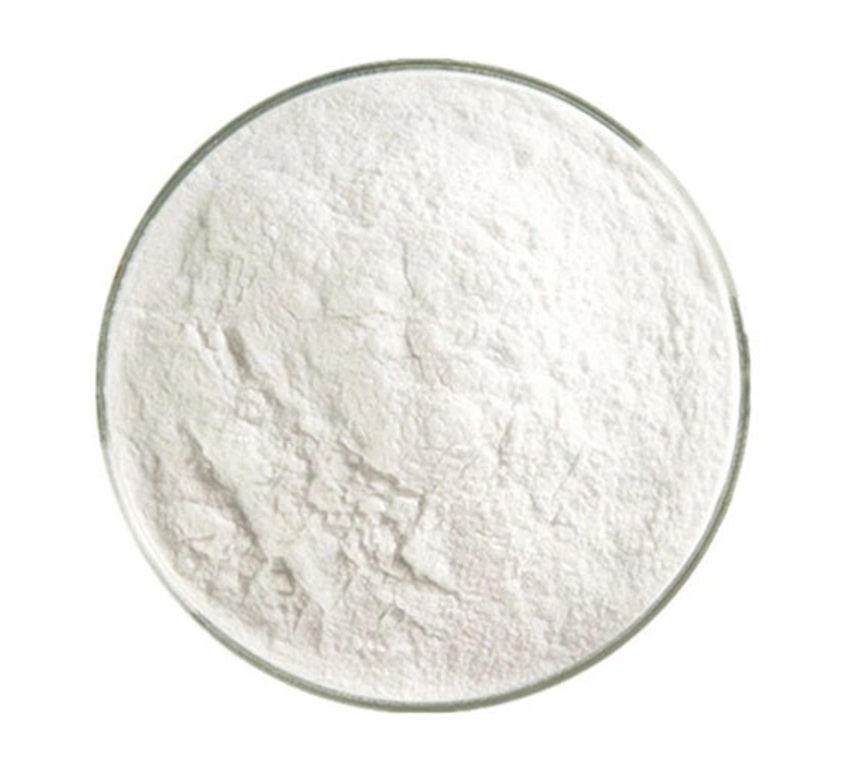
Appearance: White crystalline powder or granules
-
Taste/Odor: Sweet, mild odor
-
Melting Point: 168 °C
-
Boiling Point: 290–295 °C
-
Solubility:
-
216 g/L at 25 °C
-
In glycerin: 1 g / 18 mL
-
-
Density: 1.52 g/cm³ (20 °C)
-
Sweetness: About 50% sweeter than sucrose
-
Structure: Hexahydric alcohol derivative, sorbitol derivative
-
Non-cariogenic (does not cause tooth decay)
Natural Sources
-
Naturally present in fruits and vegetables
-
Found in fungi, serving as sugar and carbohydrate reserve
Applications
Pharmaceutical Industry:
-
Used in chewable tablets due to non-hygroscopic properties
-
Ingredient in medicated chewing gums
-
Active in formulations for treating cerebral and ocular edema
-
Diuretic drug production (enhances urine output)
-
Applied in renal failure treatments to remove excess water and toxins
Food Industry:
-
Anti-caking agent
-
Flavoring agent in nuts
-
Sweetener and taste enhancer
Industrial Uses:
-
Component in antifreeze formulations (mannitol, sorbitol, maltitol, etc.)
-
Improves water activity and inhibits crystallization, lowering freezing point
-
Minor additive with monoethylene glycol to reduce engine wear
Key Features
-
Non-cariogenic, safe for dental health
-
Provides sweetness with lower caloric value than sucrose
-
Stable and non-hygroscopic, ideal for solid dosage forms