We unleash your business potential by maximize the business innovation.
Send EmailSorbitol, D-Sorbitol, D-Glucitol, L-Gulitol, Sorbol, Sorbit, Hexahydric Alcohol, E420, 50-70-4
SORBITOL – SORBİTOL
CAS Number: 50-70-4
EC Number (EINECS): 200-061-5
Molecular Formula: C₆H₁₄O₆
Molecular Weight: 182.17 g/mol
E Number: E420
SECTION 1: CHEMICAL IDENTITY AND DEFINITION
| Parameter | Information |
|---|---|
| Chemical Name (IUPAC) | (2S,3R,4R,5R)-Hexane-1,2,3,4,5,6-hexol |
| Other Names | Sorbitol, Glucitol, D-Sorbitol, D-Glusitol, Sorbol, Sorbit, L-Gulitol, Hexahydric Alcohol, G-ol |
| Chemical Formula | C₆H₁₄O₆ |
| Molecular Weight | 182.17 g/mol |
| CAS Number | 50-70-4 |
| EC Number (EINECS) | 200-061-5 |
| E Number | E420 (Sweetener, humectant) |
| Chemical Class | Sugar alcohol (polyol) |
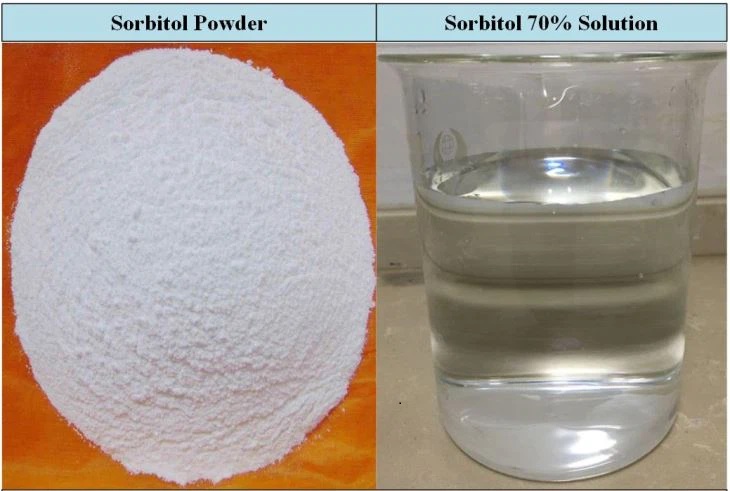
| Appearance | White, odorless, hygroscopic crystalline powder, flakes or granules |
| Odor | Odorless |
| Taste | Sweet (60% sweetness of sucrose) |
| Physical State (20°C) | Solid (crystalline powder, flakes or granules) |
| Caloric Value | ~2.6 kcal/g (low-calorie sweetener) |
SECTION 2: PHYSICAL PROPERTIES
| Property | Value |
|---|---|
| Appearance | White, odorless, hygroscopic crystalline powder, flakes or granules |
| Odor | Odorless |
| Molecular Weight | 182.17 g/mol |
| Melting Point | 111 °C |
| Density (20°C) | 1.5 g/cm³ |
| Solubility in Water (20°C) | Highly soluble (220 g/100 mL) |
| Solubility in Ethanol | Slightly soluble |
| pH (10% aqueous solution) | 5.0 – 7.0 (neutral) |
| Sweetness (Sucrose = 100) | ~60 |
| Heat of Solution | -111 kJ/kg (cooling effect) |
| Hygroscopicity | Very high (moisture-absorbing) |
| Refractive Index (nD²⁰) | ~1.46 |
SECTION 3: CHEMICAL PROPERTIES
| Property | Information |
|---|---|
| Chemical Formula | C₆H₁₄O₆ |
| Molecular Weight | 182.17 g/mol |
| Chemical Class | Sugar alcohol (polyol) |
| Functional Groups | Six hydroxyl (-OH) groups |
| SMILES | C(C(C(C(C(CO)O)O)O)O)O |
| InChI Key | FBPFZTCFMRRESA-JGWLITMVSA-N |
| Stability | Stable under normal storage conditions |
| Hygroscopicity | Very high (moisture-absorbing) |
| Decomposition | When heated, emits acidic fumes (irritating) |
| Incompatible Materials | Strong oxidizing agents, strong acids, strong bases |
| Chemical Inertness | Chemically inert; compatible with excipients |
Chemical Structure:
    CH₂OH
      |
    (CHOH)₄
      |
    CH₂OH

(Sorbitol / Glucitol)
SECTION 4: NATURAL SOURCES
| Source | Content |
|---|---|
| Apples | Rich source |
| Cherries | Rich source |
| Apricots | Rich source |
| Pears | Moderate source |
| Plums | Moderate source |
| Peaches | Moderate source |
| Berries | Variable amounts |
| Seaweed | Industrial source (manufacturing) |
SECTION 5: MANUFACTURING PROCESS
| Stage | Process | Description |
|---|---|---|
| 1 | Starch Hydrolysis | Corn, wheat or potato starch hydrolyzed to glucose |
| 2 | Glucose Hydrogenation | High-pressure catalytic hydrogenation of glucose (Raney nickel catalyst, 120-150°C, 50-100 atm) |
| 3 | Purification | Ion exchange, activated carbon treatment |
| 4 | Concentration | Evaporation to desired concentration |
| 5 | Crystallization | Cooling crystallization |
| 6 | Drying | Vacuum drying |
| 7 | Packaging | Packaged as powder, flakes or granules |
Reaction:
Glucose + H₂ → Sorbitol (Catalytic Hydrogenation)
C₆H₁₂O₆ + H₂ → C₆H₁₄O₆
SECTION 6: FOOD INDUSTRY APPLICATIONS (E420)
| Application | Function |
|---|---|
| Diet Products | Low-calorie sweetener |
| Chewing Gum | Sweetener, humectant |
| Confectionery | Sweetener, humectant |
| Biscuits and Pastries | Sweetener, humectant |
| Sugar-Free Products | Sweetener |
| Dried Fruits | 70% sorbitol solution for gloss and taste (dipping) |
| Icings and Fillings | Prevents crystallization |
| Moisture Retention | Prevents drying; maintains freshness |
| Diabetic Foods | Low glycemic index sweetener |
SECTION 7: PHARMACEUTICAL AND MEDICAL APPLICATIONS
| Application | Function |
|---|---|
| Syrups | Carrier, sweetener, humectant |
| Tablets | Diluent (filler), binder |
| Capsules | Plasticizer in film coatings |
| Laxative | Treatment of constipation (osmotic laxative) |
| Parenteral Formulations | Protein stabilizer in biological formulations |
| Indomethacin Vials | Prevents crystallization |
| Hepatic Blood Flow | Used for liver blood flow detection |
| Cough Syrups | Sweetener, humectant |
| Gastrointestinal Agents | Osmotic agent |
| Vitamin C Production | Raw material |
SECTION 8: COSMETIC AND PERSONAL CARE APPLICATIONS
| Application | Function |
|---|---|
| Toothpaste | Sweetener, humectant |
| Skin Care Products | Humectant, moisturizer |
| Lotions and Creams | Moisturizer |
| Hair Care Products | Humectant, moisturizer |
| Mouthwashes | Sweetener |
| Shaving Creams | Humectant |
| Deodorants | Humectant |
SECTION 9: INDUSTRIAL APPLICATIONS
| Application | Function |
|---|---|
| Textile Industry | Forms complexes with metal ions (Fe, Cu, Al); used in bleaching and washing |
| Resin Production | Used in printing cylinders |
| Engine Coolants | Prevents crystallization; lowers freezing point of water |
| Gel Production | 70% sorbitol + carbomer |
| Chemical Intermediates | Raw material for other chemicals |
| Stabilizers | As stabilizer |
SECTION 10: LIVESTOCK AND VETERINARY APPLICATIONS
| Application | Function |
|---|---|
| Teat Disinfectants | With Xanthan Gum and Tricalcium Phosphate |
| Animal Feed | Sweetener, palatability enhancer |
SECTION 11: COMPARISON WITH OTHER SWEETENERS
| Property | Sorbitol (E420) | Sucrose | Xylitol | Maltitol | Aspartame |
|---|---|---|---|---|---|
| Sweetness (Sucrose=100) | ~60 | 100 | ~100 | ~90 | ~200 |
| Calories (kcal/g) | 2.6 | 4.0 | 2.4 | 2.1 | ~0 |
| Dental Health | Non-cariogenic | Cariogenic | Non-cariogenic | Non-cariogenic | Non-cariogenic |
| Humectant Property | Very High | Low | Medium | High | None |
| Digestive Tolerance | Moderate (laxative at high doses) | High | Moderate | Moderate | High |
| FDA GRAS | Yes | Yes | Yes | Yes | Yes |
SECTION 12: QUALITY SPECIFICATIONS (FOOD GRADE)
| Parameter | Specification (USP / Ph. Eur. / FCC) |
|---|---|
| Appearance | White, odorless, crystalline powder, flakes or granules |
| Identification | Positive (Sorbitol tests) |
| Assay (on dried basis) | 98.0 – 101.0% |
| Loss on Drying | ≤ 1.0% |
| Residue on Ignition | ≤ 0.1% |
| Chlorides (Cl) | ≤ 0.01% |
| Sulfates (SO₄) | ≤ 0.02% |
| Heavy Metals (as Pb) | ≤ 10 ppm |
| Lead (Pb) | ≤ 2 ppm |
| Arsenic (As) | ≤ 3 ppm |
| Mercury (Hg) | ≤ 1 ppm |
| Nickel (Ni) | ≤ 1 ppm |
| Reducing Sugars | ≤ 0.1% |
| Total Sugars | ≤ 0.5% |
| pH (10% solution) | 5.0 – 7.0 |
| Specific Rotation [α]D²⁰ | 0° to +1.5° |
SECTION 13: MICROBIOLOGICAL SPECIFICATIONS
| Parameter | Specification |
|---|---|
| Total Aerobic Mesophilic Bacteria | ≤ 1,000 CFU/g |
| Yeast and Mold | ≤ 100 CFU/g |
| Salmonella spp. | Negative in 25g |
| Escherichia coli | Negative in 10g |
SECTION 14: STORAGE AND SHELF LIFE
| Parameter | Information |
|---|---|
| Storage Conditions | Cool (15-25°C), dry, well-ventilated area |
| Container Requirements | Tightly closed, original packaging (very hygroscopic) |
| Protect From | Moisture, strong oxidizing agents, strong acids, strong bases |
| Shelf Life | 24-60 months (unopened original packaging) |
| Stability Note | Hygroscopic; absorbs moisture; must be stored in airtight containers |
SECTION 15: PACKAGING OPTIONS
| Packaging Type | Quantity | Material |
|---|---|---|
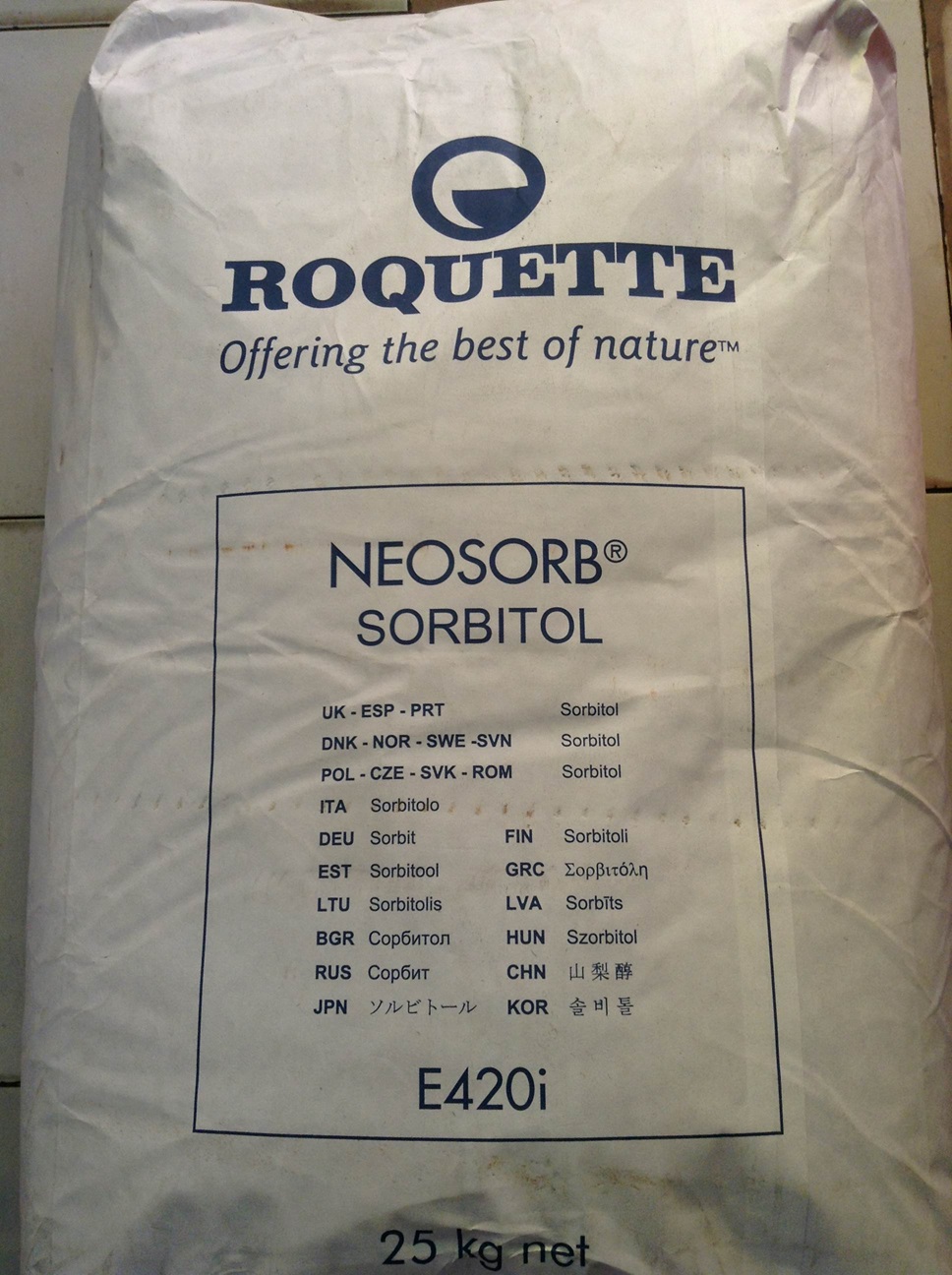
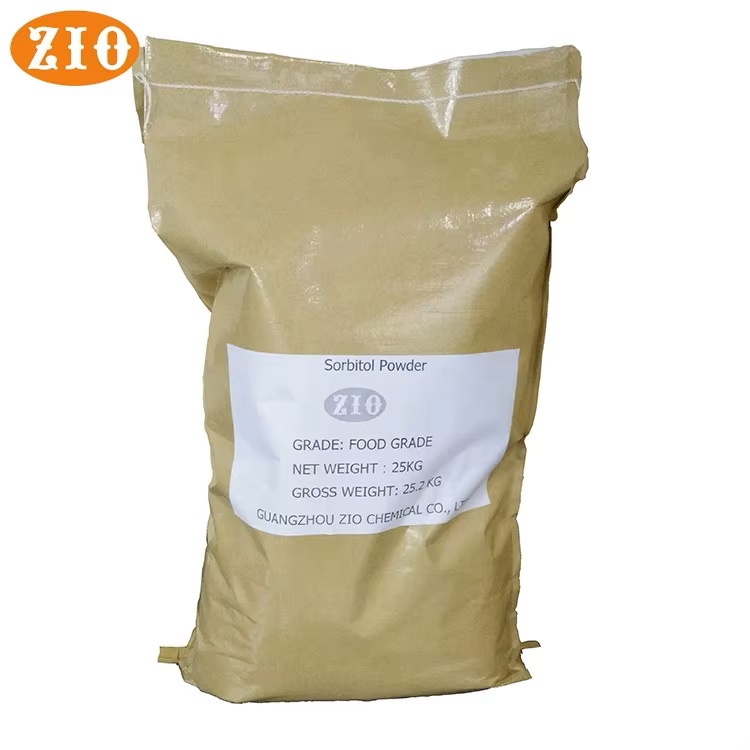
| PE-lined kraft paper bag | 25 kg | Kraft paper + PE |
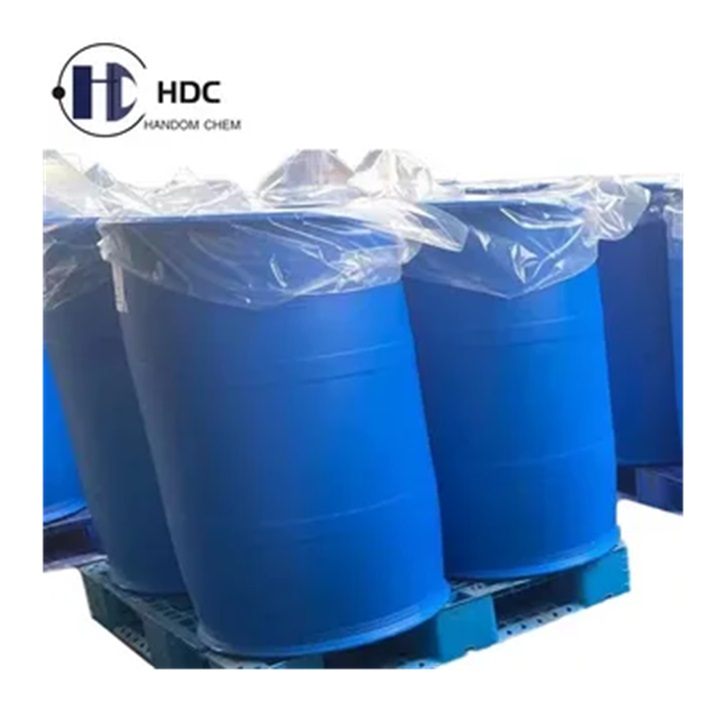
| Plastic pail | 20-25 kg | HDPE |
| Aluminum foil bag | 1-5 kg | Laminated aluminum |
| Plastic bag | 25 kg | HDPE/LDPE |
| Big-Bag | 500-1000 kg | Polypropylene |
SECTION 16: SAFETY AND HEALTH INFORMATION
GHS Classification (Bulk Powder)
| Hazard Class | Category |
|---|---|
| Not classified as hazardous | - |
Hazard Statements
| Code | Statement |
|---|---|
| None | Not classified as hazardous |
Precautionary Statements
| Code | Statement |
|---|---|
| P261 | Avoid breathing dust |
| P280 | Wear protective gloves/eye protection |
| P305+P351+P338 | IF IN EYES: Rinse cautiously with water for several minutes; remove contact lenses if present and easy to do; continue rinsing |
SECTION 17: TOXICOLOGICAL INFORMATION
| Parameter | Value |
|---|---|
| Oral LD50 (Rat) | > 15,000 mg/kg |
| ADI (Acceptable Daily Intake) | Not specified (JECFA) |
| Carcinogenicity | Not classified |
| Mutagenicity | Negative in standard tests |
| Reproductive Toxicity | No evidence of adverse effects |
| FDA GRAS | Yes (21 CFR 184.1835) |
| Laxative Effect | At high doses (>50 g/day) may cause osmotic diarrhea |
SECTION 18: FIRST AID MEASURES
| Exposure Route | Action |
|---|---|
| Inhalation | Move to fresh air. If respiratory irritation persists, seek medical attention. |
| Skin Contact | Wash with plenty of soap and water. |
| Eye Contact | Rinse immediately with plenty of water for at least 15 minutes. Seek medical attention. |
| Ingestion | Rinse mouth. Drink plenty of water. Seek medical attention. |
SECTION 19: REGULATORY STATUS
| Region / Authority | Status |
|---|---|
| European Union | Approved as E420 |
| USA (FDA) | GRAS (21 CFR 184.1835) |
| Turkey | Approved (Turkish Food Codex) |
| JECFA (FAO/WHO) | Approved; ADI: Not specified |
| Codex Alimentarius | Approved (INS 420) |
| USP | Monograph available |
| Ph. Eur. | Monograph available |
SECTION 20: TRANSPORT INFORMATION
| Parameter | Information |
|---|---|
| UN Number | Not regulated (not dangerous goods) |
| Hazard Class | Not applicable |
| Packing Group | Not applicable |
| ADR/RID | Not regulated |
| IMDG Code | Not regulated |
| IATA (Air) | Not regulated |
| Marine Pollutant | No |
SECTION 21: FIRE-FIGHTING MEASURES
| Parameter | Information |
|---|---|
| Fire Hazard | Combustible organic solid |
| Suitable Extinguishing Media | Water spray (mist), CO₂, dry chemical powder |
| Specific Hazards | When heated, emits irritating acidic fumes |
| Decomposition Products | CO, CO₂, irritating fumes |
| Protective Equipment | Self-contained breathing apparatus (SCBA), full protective clothing |
SECTION 22: ACCIDENTAL SPILLAGE AND CLEANUP
| Parameter | Information |
|---|---|
| Personal Protection | Nitrile gloves, protective goggles, dust mask (N95) |
| Cleaning Methods | Collect mechanically (sweep or spatula) |
| Environmental Precautions | Prevent entry into drains, soil, and surface waters |
| Waste Disposal | According to local regulations; landfilling at licensed facilities |
SECTION 23: OTHER NAMES AND SYNONYMS
| Type | Name |
|---|---|
| Turkish Names | Sorbitol, Sorbit, Glucitol |
| English Names | Sorbitol, Glucitol, D-Sorbitol, D-Glusitol, Sorbol, Hexahydric Alcohol |
| Chemical Names | (2S,3R,4R,5R)-Hexane-1,2,3,4,5,6-hexol |
| E Number | E420 |
| CAS Number | 50-70-4 |
| EC Number | 200-061-5 |
| INCI | Sorbitol |
Trade Names (Partial List):
-
Sorbit®
-
Sorbo®
-
Neosorb®
-
Various generics
SECTION 24: SUMMARY AND CRITICAL NOTES
Product Summary
| Parameter | Value |
|---|---|
| Product | Sorbitol |
| CAS Number | 50-70-4 |
| E Number | E420 |
| Appearance | White, odorless, hygroscopic crystalline powder |
| Molecular Weight | 182.17 g/mol |
| Sweetness | 60% of sucrose |
| Calories | ~2.6 kcal/g |
| Primary Function | Sweetener, humectant |
Critical Notes
-
Sugar Alcohol: Sorbitol is a sugar alcohol (polyol) derived from glucose by catalytic hydrogenation.
-
Low-Calorie Sweetener: Provides ~2.6 kcal/g (compared to 4 kcal/g for sucrose); suitable for diet products.
-
High Humectant Property: Excellent moisture-retaining properties; prevents drying in food and cosmetic products.
-
Non-Cariogenic: Does not promote tooth decay; suitable for sugar-free chewing gum and oral care products.
-
Laxative Effect: At high doses (>50 g/day), may cause osmotic diarrhea; gastrointestinal tolerance should be considered.
-
Natural Occurrence: Naturally found in apples, cherries, apricots, pears, and other fruits.
-
Wide Applications: Used in food, pharmaceutical, cosmetic, and industrial applications.
-
FDA GRAS: Approved as GRAS by FDA (21 CFR 184.1835).
-
Industrial Uses: Forms complexes with metal ions (Fe, Cu, Al) in textile industry; used in engine coolants and gel production.
-
Versatility: Serves as sweetener, humectant, plasticizer, stabilizer, and laxative across multiple industries.
IMPORTANT DECLARATION: This Technical Data Sheet (TDS) is for informational purposes only and has been prepared based on available technical data. The user is responsible for determining the product's suitability for their specific application and for complying with all local, national, and international regulations. For complete safety, storage, use, transport, waste, and regulatory compliance information, refer to the official Safety Data Sheet (SDS/MSDS) provided by the manufacturer/supplier. This document does not replace medical advice.