We unleash your business potential by maximize the business innovation.
Send EmailSorbitol, D-Sorbitol, D-Glucitol, L-Gulitol, Glucitol, Sorbol, Sorbit, Hexahydric Alcohol, E420, 50-70-4
Sorbitol is a sugar alcohol (polyol) widely used as a sweetener, humectant, and stabilizer in food, pharmaceuticals, and cosmetics. It occurs naturally in fruits like apples, pears, and peaches, and is commercially produced from glucose. Its main advantages are low caloric value compared to sugar, non-cariogenic properties, and moisture-retaining ability.
Chemical Properties
-
IUPAC name: D-Glucitol
-
Formula: C₆H₁₄O₆
-
Molar mass: 182.17 g/mol
-
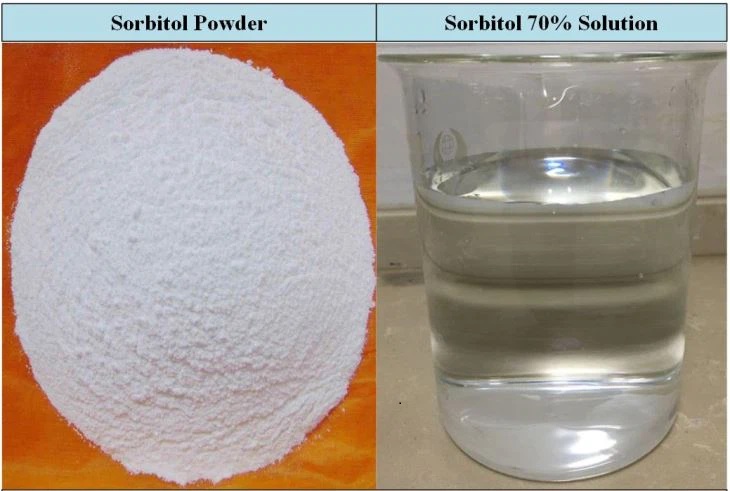
Appearance: White crystalline powder
-
Solubility: Highly soluble in water (approx. 2350 g/L)
-
Melting point: 94–96 °C
Sources
-
Natural occurrence: Apples, pears, peaches, prunes, cherries, and berries.
-
Industrial production: Hydrogenation of glucose derived from corn syrup.
Uses
Food Industry
-
Sweetener (E420): Provides ~60% sweetness of sucrose.
-
Humectant: Retains moisture in baked goods, confectionery, and chewing gum.
-
Bulking agent: Used in sugar-free products to add texture.
-
Diabetic-friendly: Low glycemic index, suitable for sugar-free foods.
Pharmaceutical Applications
-
Excipient: Used in tablets, syrups, and vitamin C formulations.
-
Laxative effect: In higher doses, acts as an osmotic laxative.
-
Stabilizer: Improves shelf life of medicines.
Cosmetics & Personal Care
-
Moisturizer: Found in lotions, creams, and toothpaste.
-
Stabilizer: Prevents products from drying out.
Health Aspects
-
Caloric value: ~2.6 kcal/g (lower than sugar’s 4 kcal/g).
-
Dental health: Non-cariogenic, does not promote tooth decay.
-
Digestive effects: Large amounts may cause bloating, gas, or diarrhea due to incomplete absorption in the small intestine.
-
Safe daily intake: Generally recognized as safe (GRAS), but excessive consumption (>20–30 g/day) may lead to gastrointestinal discomfort.
Industrial Importance
-
Versatility: Used in food, pharma, and cosmetics.
-
Economic value: Important in sugar-free and diabetic product markets.
-
Environmental aspect: Biodegradable and considered safe for use in consumer goods.
Quick Comparison: Sorbitol vs. Other Sweeteners
| Property | Sorbitol (E420) | Sucrose | Xylitol | Aspartame |
|---|---|---|---|---|
| Sweetness (vs. sugar) | ~60% | 100% | ~100% | ~200% |
| Calories (kcal/g) | 2.6 | 4 | 2.4 | ~0 |
| Dental impact | Non-cariogenic | Cariogenic | Non-cariogenic | Non-cariogenic |
| Digestive tolerance | Moderate (laxative in high doses) | High | Moderate | High |
In summary: Sorbitol is a multifunctional sugar alcohol valued for its sweetness, moisture retention, and safety in sugar-free products. However, its laxative effect at high intake is the main limitation. It is especially important in diabetic nutrition, pharmaceuticals, and cosmetics.
Sorbitol – Product Description (English)
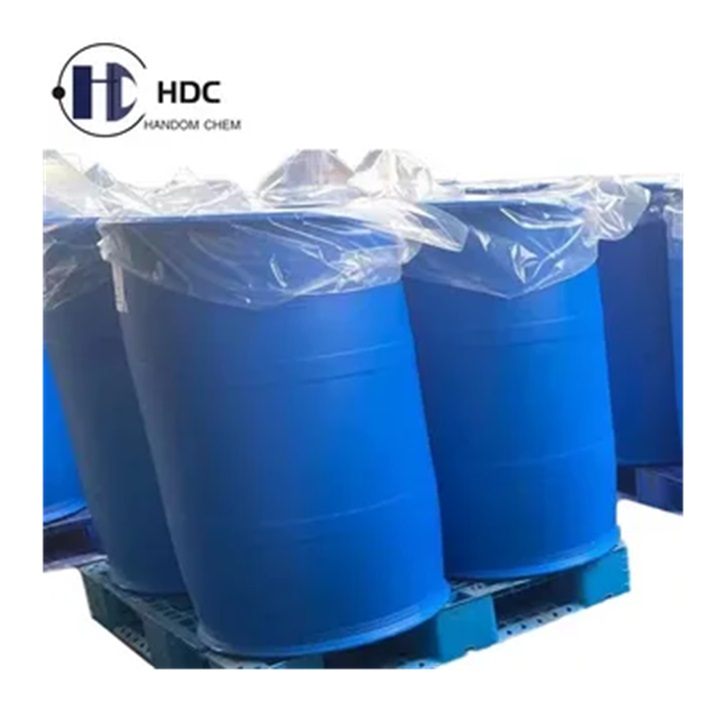
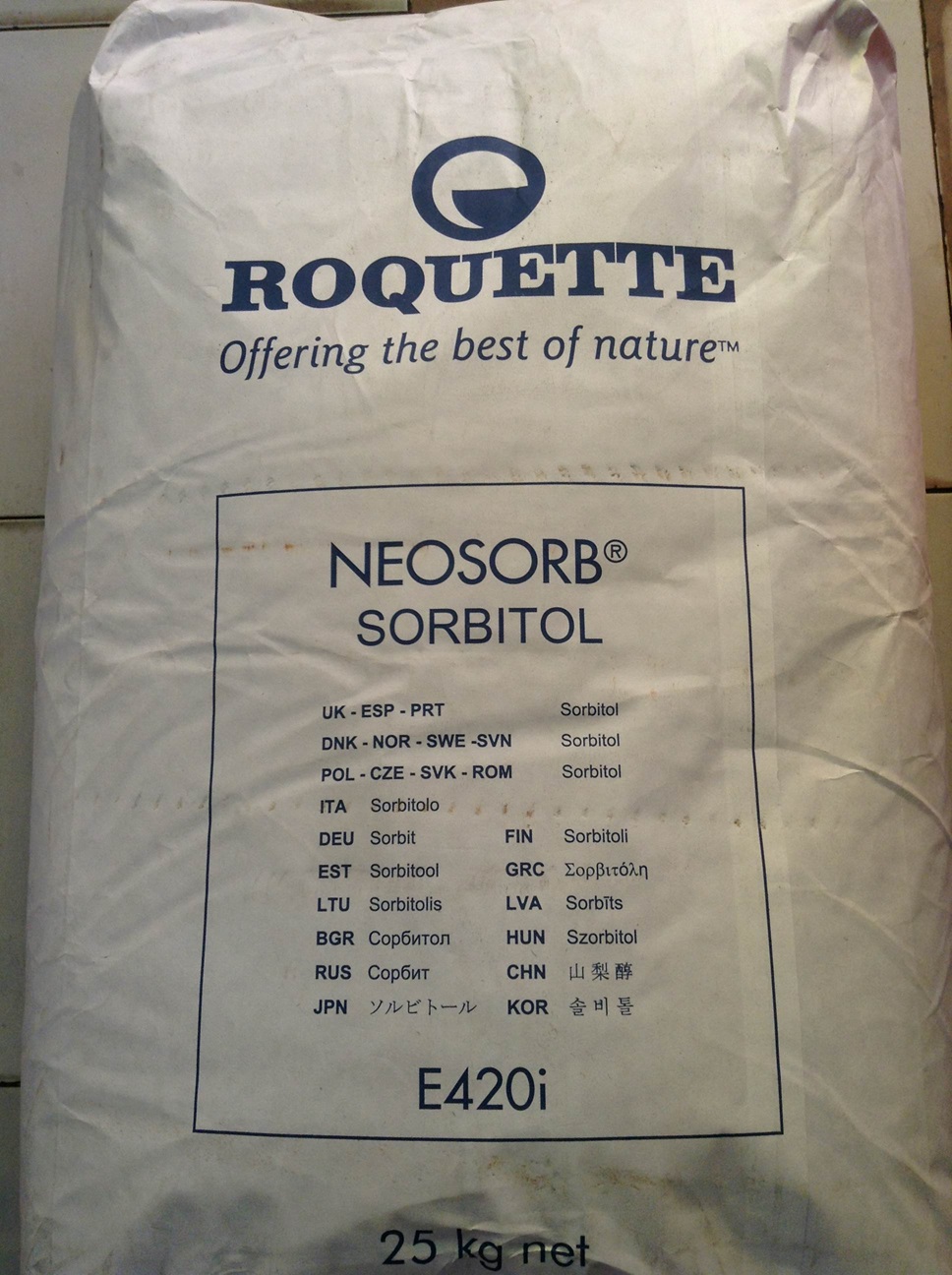
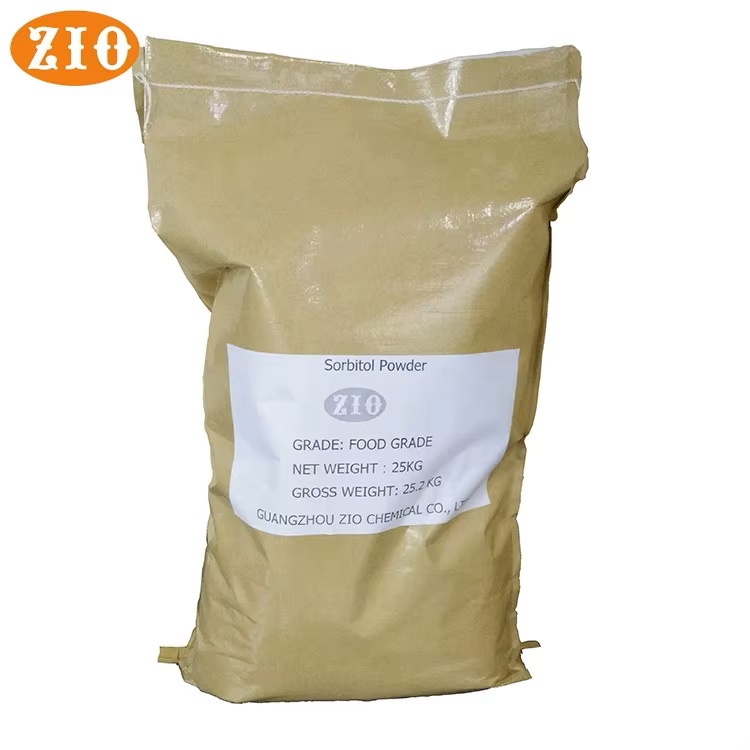
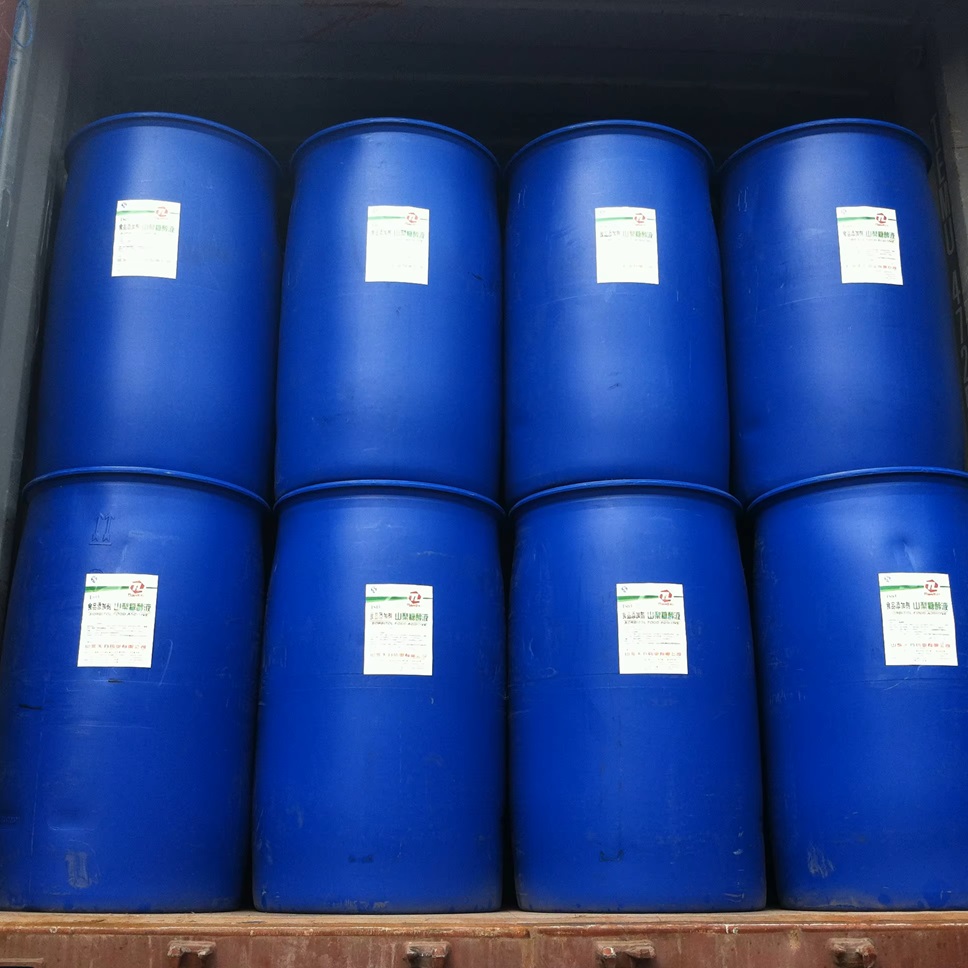
Product Names: Sorbitol, Sorbol, Sorbit, D-Sorbitol, D-Glucitol, L-Gulitol, Glucitol, Hexahydric Alcohol, E420 CAS Number: 50-70-4 Forms: Sorbitol Powder, Sorbitol 70% Liquid
General Information
Sorbitol is a sugar alcohol (polyol) widely used as a sweetener, humectant, and stabilizer. It naturally occurs in fruits such as apples, pears, and peaches, and is industrially produced by hydrogenation of glucose. Sorbitol provides approximately 60% of the sweetness of sucrose while offering reduced caloric value.
Applications
-
Food Industry: Used as a low-calorie sweetener, humectant in baked goods, bulking agent in sugar-free confectionery, and moisture stabilizer in chewing gum.
-
Pharmaceuticals: Functions as an excipient in tablets and syrups, stabilizer in vitamin C production, and osmotic laxative at higher doses.
-
Cosmetics & Personal Care: Acts as a moisturizer and stabilizer in creams, lotions, toothpaste, and hair care products.
Advantages
-
Non-cariogenic (does not cause tooth decay)
-
Moisture retention capacity, extending shelf life of products
-
Suitable for diabetic and sugar-free formulations
-
GRAS (Generally Recognized As Safe) status
Limitations
Excessive consumption may cause gastrointestinal discomfort (bloating, diarrhea) due to incomplete absorption in the small intestine. Recommended intake should be controlled in food formulations.
Comparative Sectoral Table
| Sector | Sorbitol (E420) | Sucrose | Xylitol | Maltitol | Aspartame |
|---|---|---|---|---|---|
| Sweetness | ~60% of sucrose | 100% | ~100% | ~90% | ~200% |
| Calories (kcal/g) | 2.6 | 4 | 2.4 | 2.1 | ~0 |
| Dental Impact | Non-cariogenic | Cariogenic | Non-cariogenic | Non-cariogenic | Non-cariogenic |
| Moisture Retention | High | Low | Medium | High | None |
| Food Use | Sugar-free gum, bakery, confectionery | General sweetener | Gum, diabetic foods | Chocolate, candy | Diet beverages |
| Pharma Use | Syrups, tablets, laxative | Syrups, tablets | Oral care | Syrups, tablets | Tablets, beverages |
| Cosmetics Use | Moisturizer, toothpaste | None | Toothpaste | Moisturizer | None |
| Digestive Tolerance | Moderate (laxative in high doses) | High | Moderate | Moderate | High |